
Making science Crystal clear
Dr. Crystal Mendoza loves talking science and wants to support any and all researchers who want to do the same. A virologist by training, she’s worked in universities and industry. Now she is living the SciComm dream by working as a science writer.
This episode has been a long time in the making, but it’s a pleasure to share this conversation about making science more accessible because it seems more urgent than ever. We also talked about the difficulties of suffering from chronic pain while working in the lab and the challenge of the two-body problem…
Find out more about Crystal’s work here.
For anyone interested in learning more about the Art of Science Communication course, you can find more details on the ASBMB site: asbmb.org/professional-development/communication-course (and you might find a familiar face in the process…)
The track featured here is the very aptly named “Trust me, I’m a doctor” by Amphibian. Find more of her tunes on bandcamp: https://amphibiandance.bandcamp.com/album/collecting-silver. Thank you Gina for allowing us to feature your music.
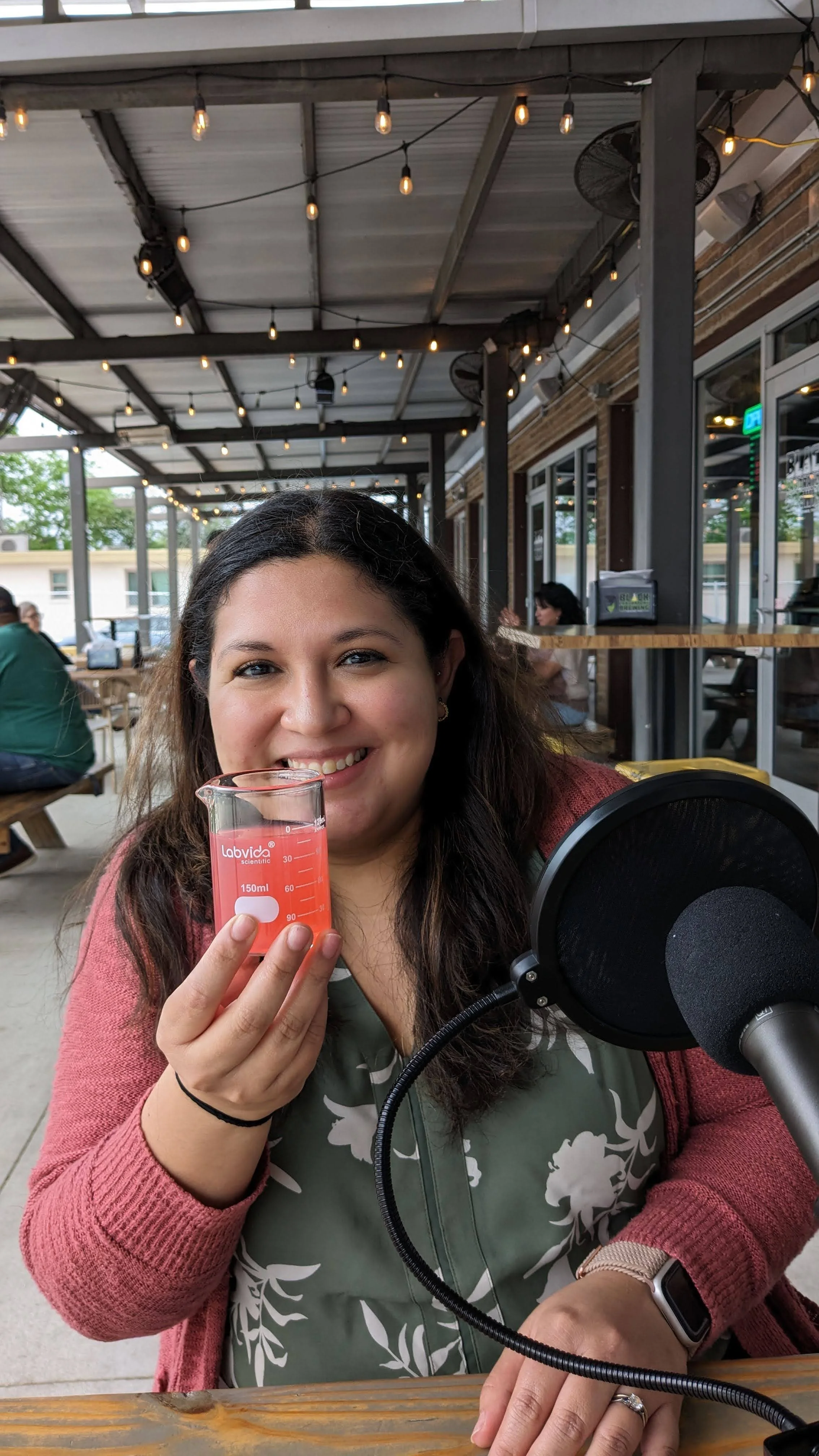
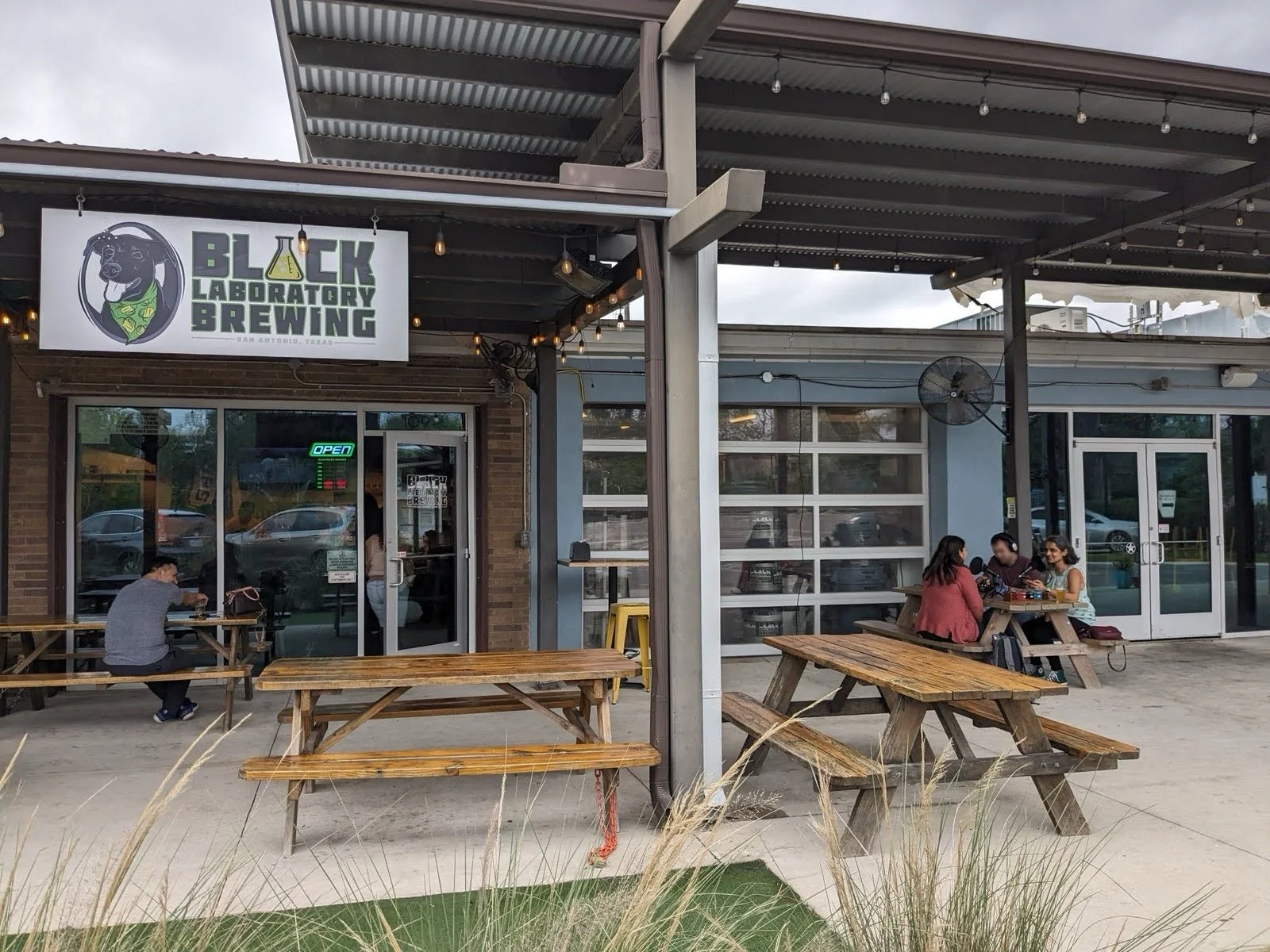
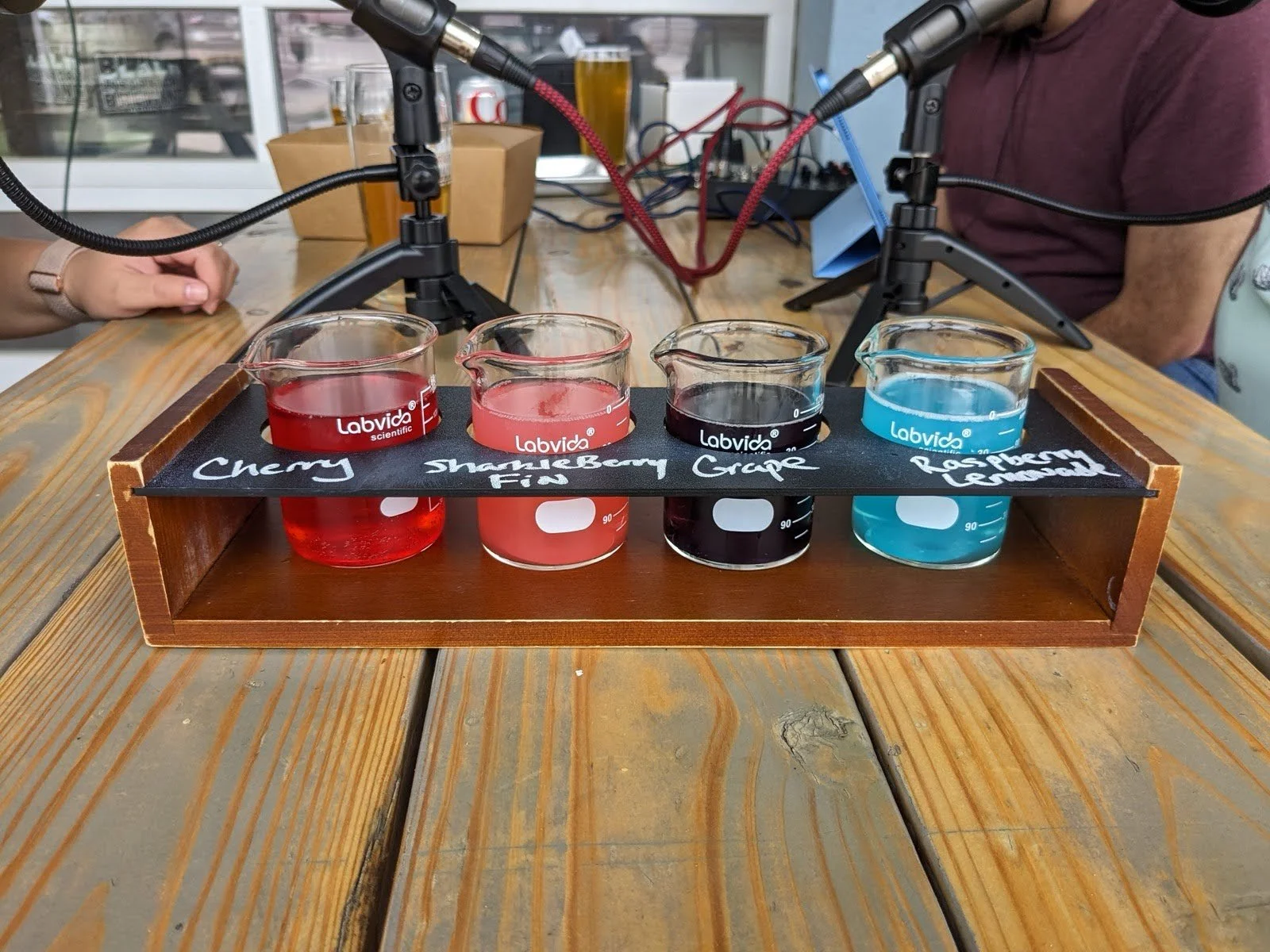
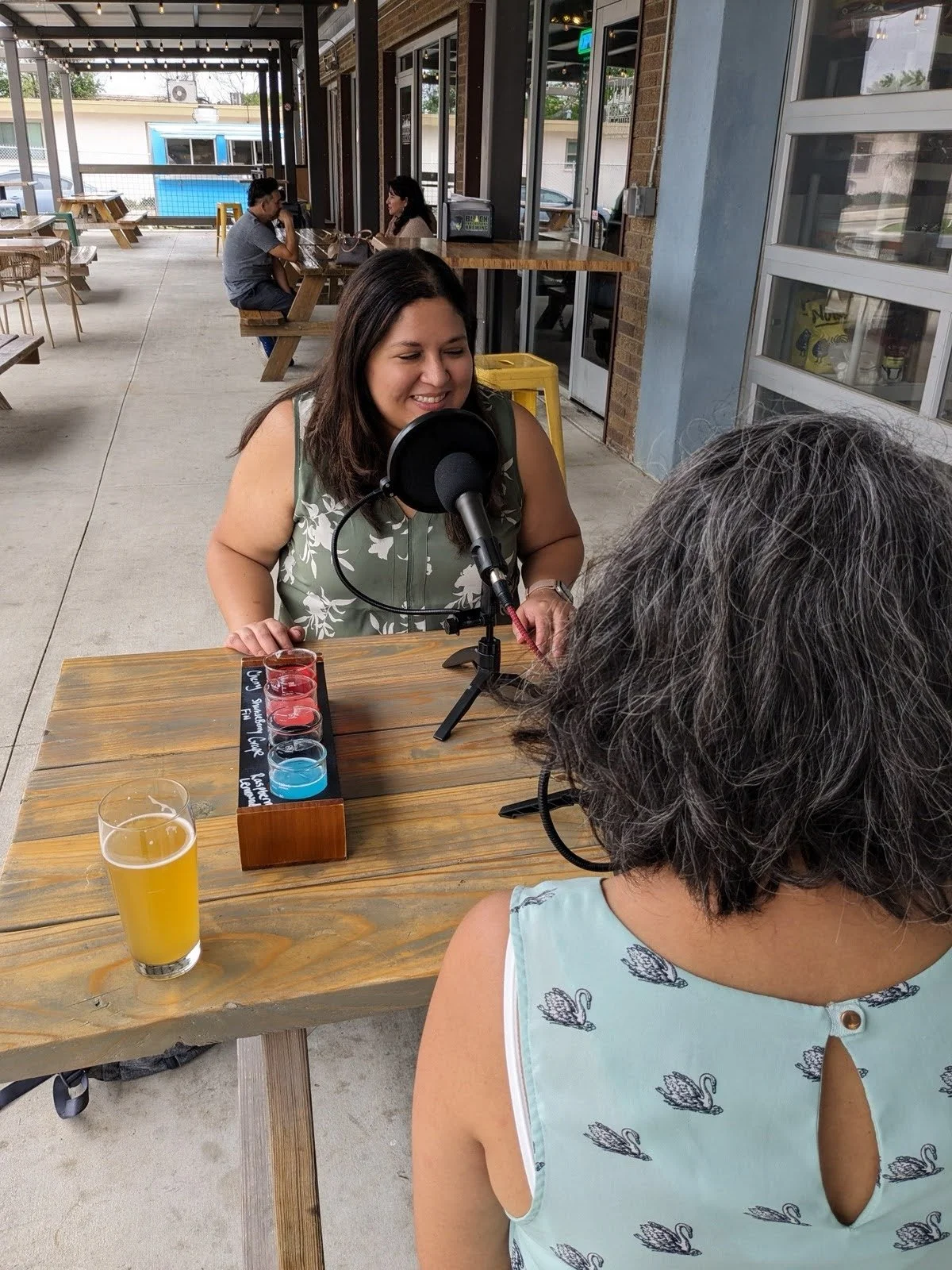
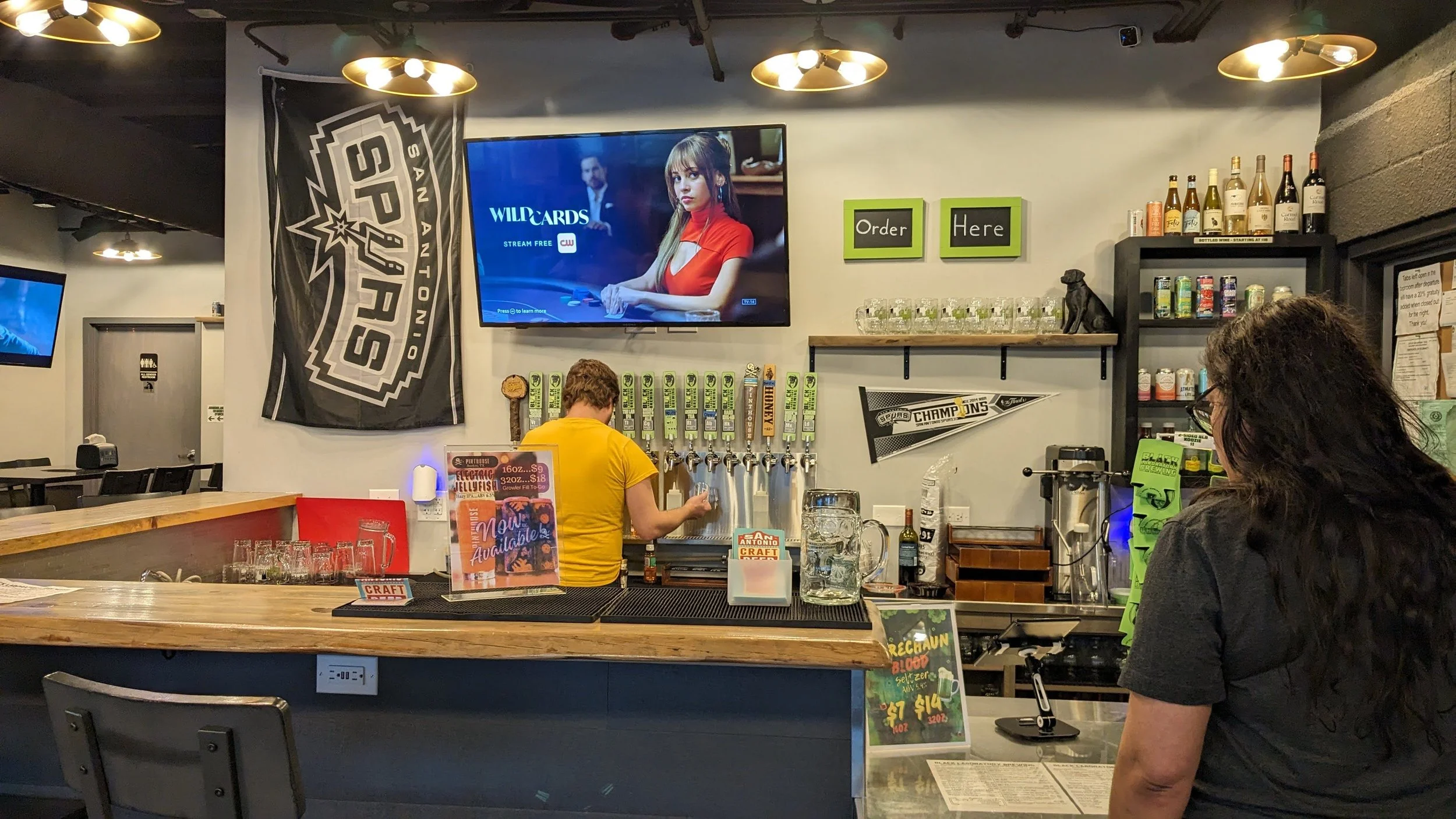
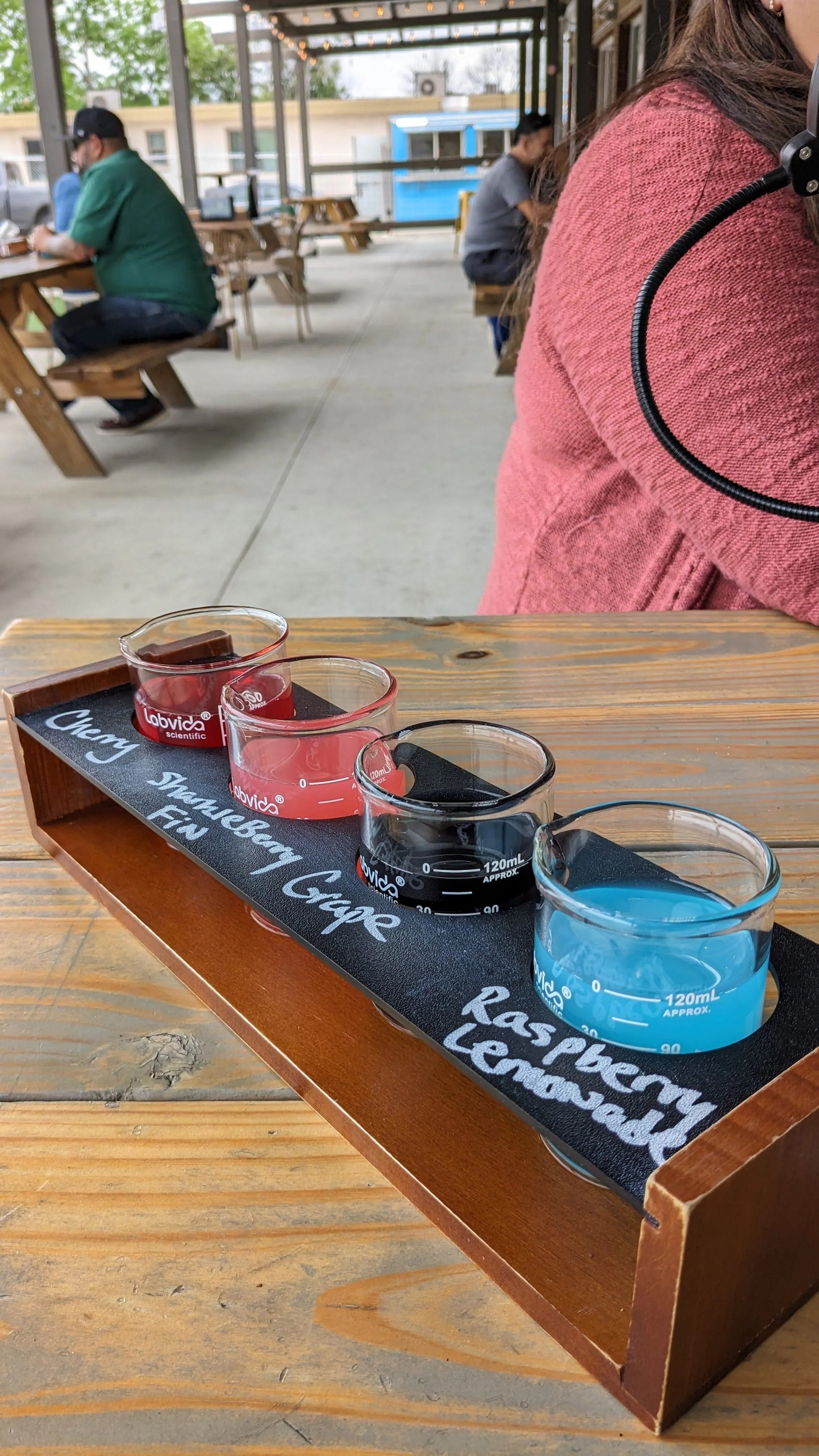
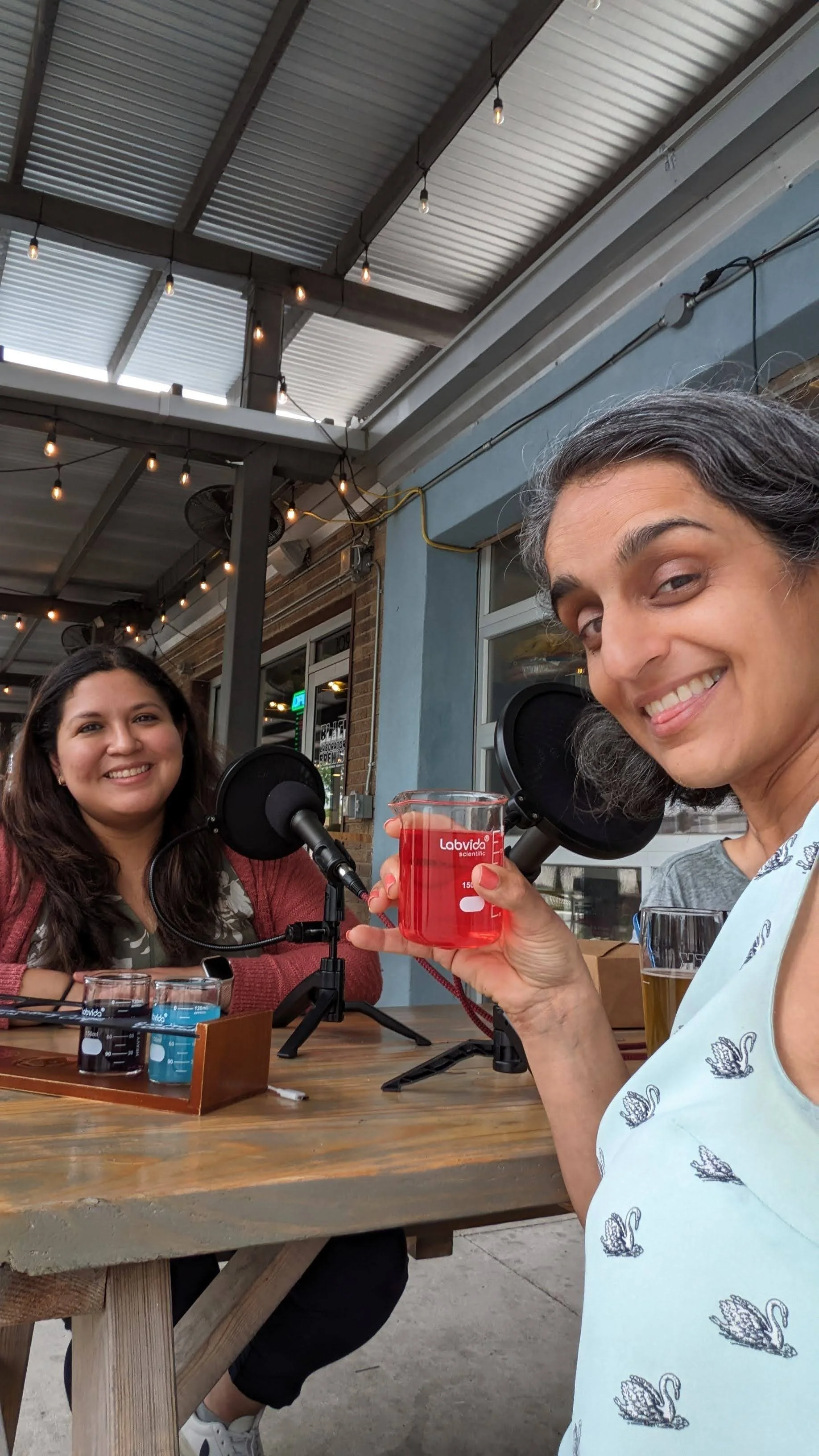
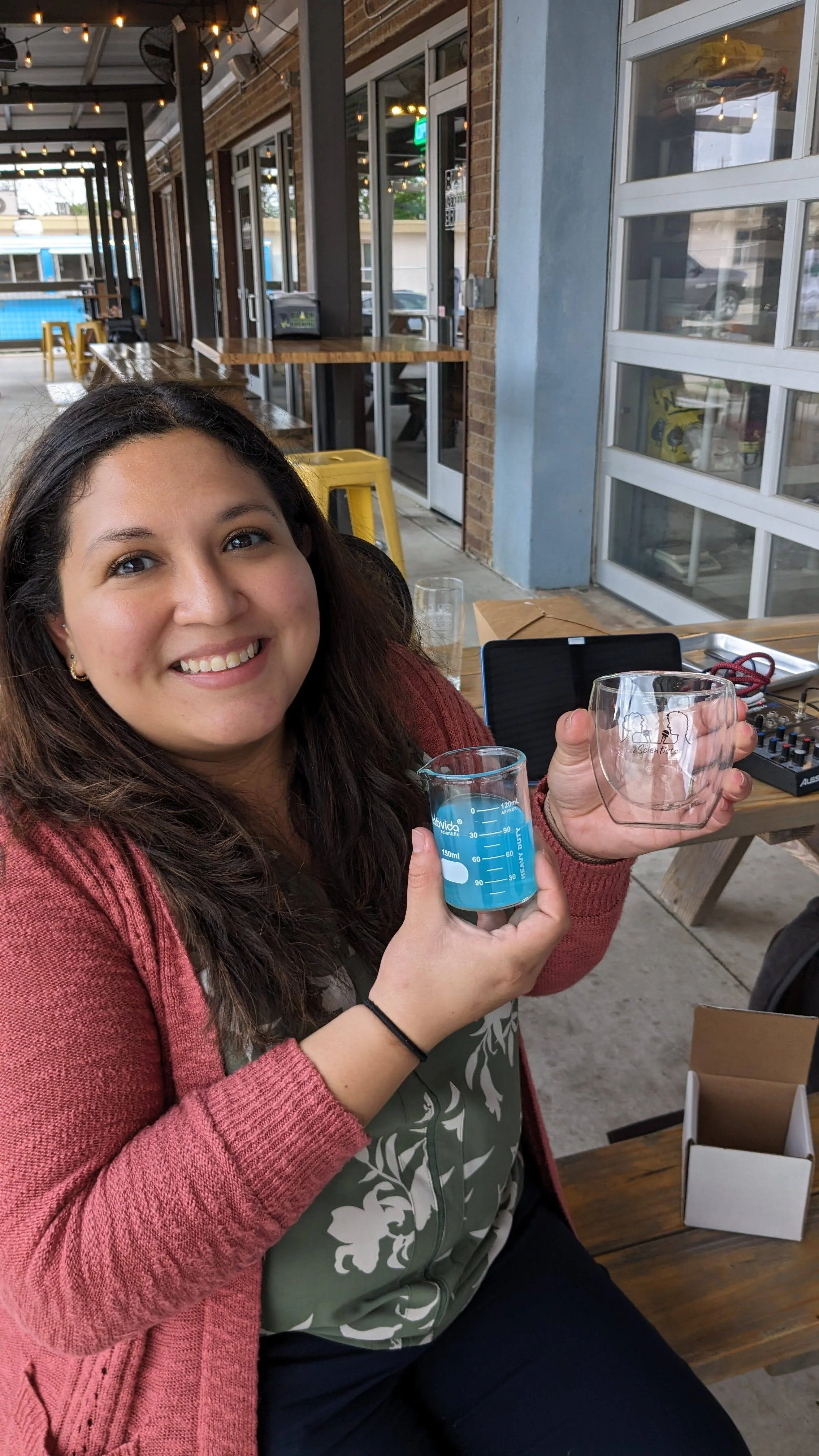
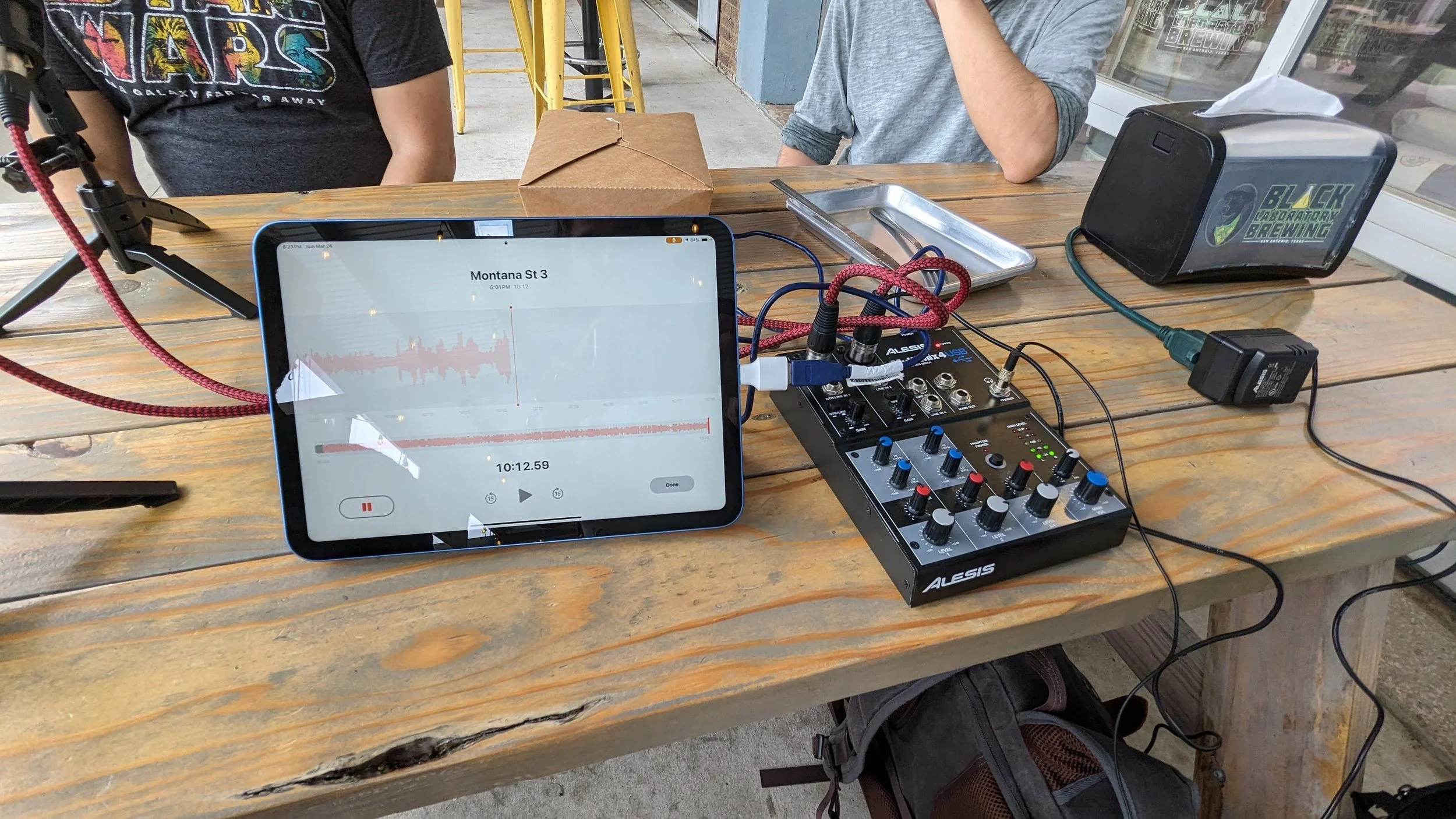
The coincidences continue with the name of the venue which was Black Laboratory Brewing. Thank you so much for letting us camp out, for helping us with our power woes, and for the free fruity flight! For anyone interested in experimenting with their brews, you can find out more about them here: https://www.blacklaboratorybrewing.com/
Listen:
Watch:
Subscribe to our YouTube channel now for all future recordings.
Episode transcript
[Background intro music playing is "Trust me, I’m a doctor" by Amphibian]
[00:01:52] Parmvir: Howdy all, and welcome to another one of our 2Scientists episodes, a podcast with scientists, wherever you like to listen, I'm Parmvir Bahia as usual, I'm here with David Basanta, who is a co producer of the pod, and our guest for this [stumbles over words] epito epitode, [Parmvir laughs] and our guest for this episode is Dr. Crystal Mendoza. How are you, Crystal?
[00:02:17] Crystal: I'm great. How about you?
[00:02:19] Parmvir: Uh, other than having an inability to pronounce any words right now, I'm doing all right, actually. So, a bit of backstory to today's episode, Crystal and I are both members of the American Society for Biochemistry and Molecular Biology. Try saying that three times fast. And we've had the pleasure of serving together on its Science Outreach and Communications Committee.
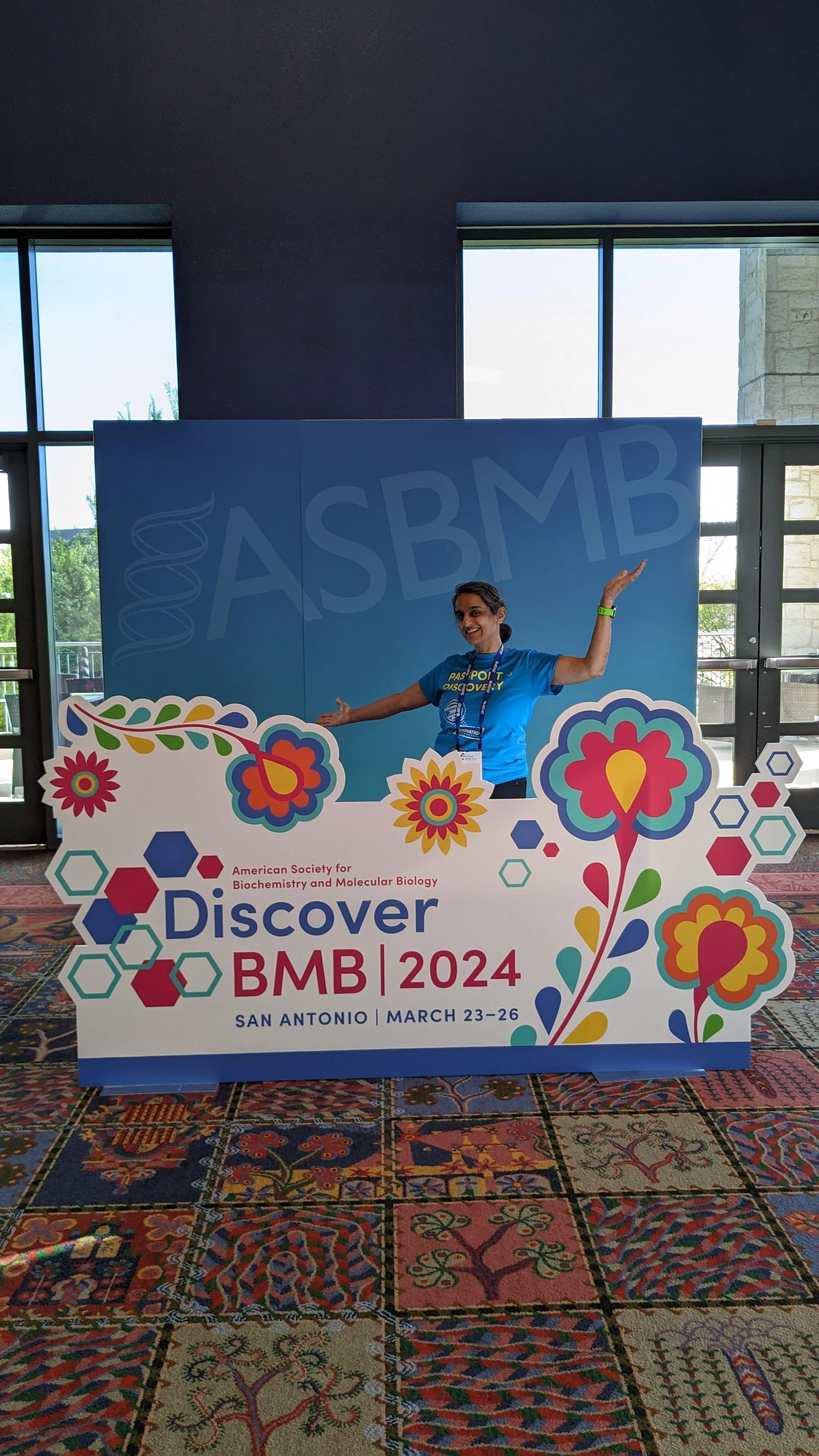
And this is also the reason why we find ourselves together in San Antonio, Texas at their annual meeting. It seems a pretty apt way of starting as I know you gave a talk on working in industry today at the meeting and it looked very much like it was standing room only. So how was that for you?
[00:02:57] Crystal: It was really great. It was nice to see that so many people were interested in industry and somehow I was the person that, you know, had the actual knowledge because I somehow landed myself in industry. So being able to share with them, you know, my experiences and kind of what that trajectory looks like was really great.
[00:03:15] Parmvir: Yeah, absolutely. It's got to be really nice to have a rapt audience when you're speaking, right?
[00:03:22] Crystal: It's really nice. But then I think in the middle of it I looked out and completely forgot what I was saying so I definitely had that, like, little bit of stage fright in the middle then looked back at the audience and was like, "okay, we're going to keep going.
It is fine."
[00:03:40] Parmvir: Take a step back though. Can you start by telling us about what you studied at whatever level you like, actually undergraduate followed by your PhD and as a kind of two parter, what inspired you to go into the scientific field that you did your research in?
[00:03:58] Crystal: Yeah, that's a really great question. I have been studying virus-host interaction since I was in high school, which is, I think, a little bit earlier than a lot of people. I had a really great health teacher in high school who was also in the middle of doing his graduate degree. And he was very encouraging and inspiring and in the sense of like, he would make you actually do a lot of work for what was like a high school health class.
And so everything that I started learning about in terms of viruses and different diseases, he was super encouraging and telling me like you need to dig deeper in this and told me about a program where I could do basically six weeks of research in a scientific lab at the local university between my junior and senior year of high school.
So I was a rising senior by the time that I did this. I got to work in an HIV lab with my undergraduate mentor, Dr. Llano, at the University of Texas at El Paso, which is where I actually ended up going to undergrad actually in my senior year of high school.
So I did this very strange thing where I got my associate's degree by my junior year of high school. And then, they basically had to figure out a way to let us continue getting a free education at the collegiate level. So they would actually bus us from our high school up to the university. And so I was taking OCHEM in my senior year of high school at 7:30am and I just remember thinking like, I'm so lucky that I get to do this and that my parents don't have to pay for this.
Which was super huge. So I also got to, you know, work in the lab, as basically like an unpaid research assistant because I was in high school and I couldn't qualify for any of the you know grants or research programs that were given to college students because I was technically still in high school
[00:06:02] Parmvir: That is bonkers.
And you are the second woman of Mexican descent to tell me a similar story like that. We spoke several years ago with Natalie Navarez, who also did so much, like she did extra courses, I think, for community college while she was still in high school, that by the time she got to university, she thought, Oh, I can do something really broad.
They're like, no, no, you've got all of these credits. You need to specialize now. And so it's really interesting that you can suddenly end up in this position with such a major step up, right?
[00:06:37] Crystal: Yeah, it was kind of crazy because I think they want you, and I understand why, because as a 20 year old, or a 21 year old, you should start knowing what you want to do.
I think as a 17 year old, that's a lot to ask. So I was, I think a lot of my life has been, I kind of just stumbled through. And make decisions very like, Oh yeah, I guess it'll work out. So I picked microbiology as a major as I was entering UTEP. So the University of Texas at El Paso, my senior year. Not what I actually ended up graduating with, cause I had spent some time in the lab by the time I was, you know, getting older and starting to think about what I wanted to do.
So I ended up studying cell and molecular biochemistry but I had finished basically all of my coursework, one year outside of high school. So I had graduated a year later, I was basically done and I took that extra year to do a minor in English and American literature, cause I thought that would be fun. [Crystal laughs]
[00:07:34] Parmvir: It does sound fun.
[00:07:36] Crystal: It was really cool, actually. I'm such a nerd, but, like, reading books and writing essays was so much fun. And all I had to do was be in the lab and, you know, interview for grad school. So it was really nice to just kind of take that break because I had been basically going non stop between high school and then those two years in undergrad, which is a very long winded thing to say.
Like, I was doing research this whole time in an HIV lab, kind of trying to understand what host proteins are really important for viral latency for lentiviruses. So why is it that, like, some viruses can hang out in your DNA for certain amounts of time?
I had also taken the time to do other research experiences at the Mayo Clinic in undergrad and that's where I ended up going to grad school 'cause I thought that was a really great program and I really enjoyed it. And my undergraduate mentor was fantastic. So I did that and then went to grad school and grad school was also one of those, like, I kind of stumbled around trying to figure out what I wanted to do. I went to one lab, spent a few years in that lab, and then I had some medical issues and then took about a year off from grad school, which was really hard, and that's a different story for a different day. But then I switched mentors and my second mentor had been a really exciting, really kind mentor that studied really cool viruses. And I was so excited to work with him, and so we worked on basically emerging tick borne viruses and trying to generate new antivirals for them.
And then I graduated in the middle of the pandemic, which was really crazy because our lab got elevated to having to do a lot of that SARS CoV2 work because he had the expertise to be able to, you know, run the lab at the specific biosafety level that you needed. And then all of the, like, basically research expertise that I needed to, like, finish some of the stuff for my project got shifted to that. So that delayed things a little bit.
So it was a really crazy time to try to finish at that point, but at a certain point where I was just like, Nope, let's push the paper out. Let's try to get everything done. Like 2021, I was done, which was really great.
And yeah, that's kind of my background. It's a little crazy.
[00:10:03] Parmvir: I mean, all of that just in the process of going through grad school. I similarly- so I didn't take a year off during my PhD, but I did develop this chronic pain, which meant that I couldn't sit for long periods at a rig. And of course my PhD involved me spending lots of time sitting at a rig. And I was lucky enough that I also had a mentor who was kind enough to see that I was capable of doing the work and understanding what I was doing. And so I took off huge amounts of time and he was kind enough to go back to the funding body that was paying for my PhD and saying, can we have some more money so that she can extend her time?
Because certainly back then the standard amount of funding you would get is for three years for a grad student. And so we were expected to do all our experiments, write up our thesis and be out of the door in three years. So that was kind of bonkers, but thankfully as I say, I got more funding and I had this amazing collaboration with another pain lab. And yeah, they helped me get an epic J Neuroscience paper, which is far too nerdy for most of the people who are listening to this podcast to care about. But for me, it was a really big deal.
[00:11:16] Crystal: Yeah. That's awesome. Yeah, I similarly had chronic pain issues and sitting at a biosafety cabinet for hours on end is not something that's necessarily tenable.
And I went to occupational therapy as part of the treatment for my chronic pain disorder. And I had to tell them like, Oh, well, you know, what would you do for somebody that's a scientist? They're like, we don't know. Okay, so that's, that's obviously something that we should actually talk about, you know, disability in science, right?
And I feel like I'm probably super, A: lucky and privileged, but like, not one of the great examples because at this point my pain's really well managed. And when I was working a little bit more in the lab, it was a lot easier, but there's other things that come with that, like brain fog, like migraines, there's a lot of other issues that are more invisible. And I think there's still a big issue within science towards people with disabilities.
[00:12:16] Parmvir: Yeah, for sure. I mean, I guess no one was really talking about accessibility at all when I was doing my PhD. As I say like, you have good mentors you're okay, generally but I have to say, you know, even if you don't have a particular health condition, it can be that, like, especially for those of us who do biomedical stuff and you end up pipetting a lot, that you can develop repetitive strain injuries, and there's no easy way of getting around that because it's just the nature of the job, right?
[00:12:48] Crystal: No, and I think that like some of the companies are trying to start to overcome that they're making things that are a lot more electronic friendly, so you don't have the ability to really get those repetitive stress injuries. The other problem is that like, who's going to pay for that? So even when I worked in public health, I worked at the state public health lab in Massachusetts, I saw that somebody else also had, like, chronic pain issues and repetitive stress injuries, and they were saying, you know, we can order these things. I think the government is a little bit more respectful and responsive to those types of issues. It tends to be academia and maybe industry that are not.
[00:13:32] Parmvir: Yeah, sad, but true.
So you yourself decided to opt not to go down the kind of what we refer to within research as the tenure track path. So after you do a PhD, you do what they call a postdoctoral position. And then during that you get funding to run your own lab. And so you become what's called a principal investigator. With that the idea is to keep going until you've the heady heights of what we call tenure. And you decided you didn't want to go for that. Why is that?
[00:14:03] Crystal: I think, I think when I wasn't even trying to apply to grad school, I was really interested in pursuing a non academic track. I was actually very consistent in saying that I wanted to do, you know, something like public health, and be a public health scientist. So working at something like the CDC doing research or doing communications within that. I think looking back now, I understand even more so why, like, the academic track was not for me, but it just never really interested me. And I think my- So my graduate PI had come from NIH. So he had been working at NIH for several years, was one of their like internal investigators there working on really cool viruses, got recruited to Mayo to start up his own lab. And I think for him, it was really great. ‘Cause it meant a different lifestyle. And I think they had been in. Montana, kind of in the middle of nowhere, and so they were looking forward to being in a new city and I saw how much difficulty there was and how stressful it was to be a PI on the tenure track. And he got a really great R01 [grant], like while I was there. And I still saw, like, how much stress he was under and just how gradually his spirit kind of went down, which sounds really, really awful.
And by the time I finished my PhD, he took a position back in his home country to work at, like, effectively what is their CDC. That solidified it for me that I definitely didn't want to go the academic route. Post PhD, I had applied to a few different positions, one of them was actually a postdoc at a really great lab that studies virus host interactions in New York.
And I also got offered this fellowship through the association of public health laboratories. So I was able to do a public health fellowship in infectious disease at the Massachusetts State Public Health Laboratory.
They had offered me a position at CDC and because of my two partner situation being in Massachusetts, it was probably like the thing that I definitely should have chosen. [Crystal laughs] Because my partner got stationed here and he had really great work going on. So moving to Georgia wasn't necessarily something that would have worked for both of us.
So I just didn't feel like academia was calling me. And it just, it seems so, like, you are basically bound to a specific place for a certain number of years and your life kind of has to revolve around that and that doesn't necessarily work for my lifestyle, and my home life situation.
[00:16:59] Parmvir: So tell us more about your lifestyle and your home life situation. [Both laugh]
[00:17:05] Crystal: I can’t be very explicit. I mean my partner's in the military and something that I struggle with a lot and like, not in a bad way, but something that I have to be very mindful of is making sure that I have a job that is not only fulfilling for me, but can be, not remote, but possible to move if something happens, right?
So in the military, typically you have to move every three years. We've been really lucky in that we've been stationed in Massachusetts for almost six. But after six years, they probably want you to move and they have a checklist of: so and so goes here and so and so goes there. And they don't like to really deviate from that.
And I think something else that hasn't been updated in a while is that spouses should have a say, but I mean, ultimately, like, it's not my choice, right? But I have a job, I have degrees, that should also matter. And I think something that my partner has been very explicit about is like, you know, if it doesn't work out and we need to stay in a certain place for your career, we can make those decisions together.
So, that has been really nice but moving to a place where he wouldn't have a job is something that I have to think about, which I'm sure that every couple has to think about as well.
[00:18:27] Parmvir: Yeah, I mean, ironically, though, despite the fact that we've been doing this podcast for over 10 years now, we've never talked about the issue of the two body problem, right?
And this has got nothing to do with the three body problem, which is the current sci fi hit. But yes, obviously when we're talking about individuals, the two body problem is people who have career tracks and essentially trying to get those two people and their career tracks in the same place at the same time.
[00:18:55] Crystal: Yes. And I think it's really hard because sometimes, you know, if you have people that are, for example, in the same career field, it's very easy to be in the same place, right?
But if you're with somebody that is maybe in a certain career field where you have to be on the coasts, or what have you and then the other person is tied to a school or to a university, that can make it a lot more difficult. So I think that also kind of exemplified my "I don't want to go into academia" because if I got, you know, a tenure track position you might be tied to a specific school, maybe somewhere where your partner might not have meaningful or gainful employment.
[00:19:40] Parmvir: So out of curiosity, if you could pick any science related job right now, what would you do?
[00:19:46] Crystal: Ooh. Um, that's a good question.
Like just for funsies, ‘cause, like, there are some jobs that I would never want to do in actuality, that sounded like a lot of fun.
[00:19:59] Parmvir: Okay, now I'm intrigued. You have to explain what you mean.
[00:20:02] Crystal: So I think the idea of public shame really, like, scares me. So I would really hate being, by hate, I mean, like, I would love it, but I would hate, looking at comments is being, on a YouTube channel, or being on, a TV show. ‘Cause I think that would be a lot of fun. But I would hate looking at the comments.
[00:20:25] Parmvir: Yeah. Yeah. I feel you there.
[00:20:26] Crystal: Yeah. my fear is gonna be like, she says like, too much, or, you know, her hair is too puffy. Like something that, like, I [both laugh out loud] , I inherently feel very self conscious about. And thankfully this is a podcast so you can't see how puffy my hair is. But normally it is very puffy because I don't know how to control it. I think ideally my job would include some sort of science communication type of role, whether that's like medical writing or medical science liaison.
I like talking to people and helping them understand and fill the gaps of where they could be communicating to other people, especially the general public, better because we don't train that in scientists and I feel like I have done a lot of work and I obviously could do more to help get there. But we need people that are versed in speaking both languages, if you will, and helping bridge that gap.
[00:21:24] Parmvir: Yeah. So this is an absolutely tremendous segue into our work together at ASBMB. So what was it that interested you in spending your valuable time and energy in doing work that you don't get paid for trying to train, as you say, scientists to become better communicators?
[00:21:47] Crystal: Yeah, I think it's really just that. It's that we don't train people and it's not always acceptable. So a lot of the science communication trainings you always have to pay for, right? There is that aspect, that's a barrier for people. There's also no time for it. It's something that people will always do in their extra spare time if they have it, and it's not inherently built into curriculums for graduate schools.
It's also not taught as a potential pathway for a career for scientists, because science communication is not just like having your own podcast or having your own YouTube channel or whatever it is. It's key fields that are important for pharma companies, for biotechs, for the U.S. government and for other governments, right? But scientific communication is why you have the little sheets that you have to get whenever you get like your flu vaccine, right? You need to have the information so that way, people are understanding why they're getting this, what this is formulated with, why it's formulated that way, what this is gonna help prevent, what this is gonna lead to in terms of side effects, whatever it is.
All of that is science communication. And the fact that we don't train it makes me very angry. But that said, I think something that the team has done, that the Committee is working on is to make sure that we're staying as up to date as possible with our science communication and science education programming.
So that's making sure that we are interfacing with local communities at every national meeting to run our outreach day, we're calling it community day, and we're trying to bring together programming for science communication specifically. So together with Greg Miller and our scientific liaison for ASBMB, Jelena we basically got the entire course and brought it down to three hours, which was super exciting, and it was so much work to be able to pick out exactly what themes we wanted to bring forward for the entire eight week course.
And thankfully you served as one of our resources. And it was just so much fun. It was a lot of Sundays working on this. And we were basically editing our presentation till the day of, which was really scary and fun. But it was really nice to be able to deliver that content in an actual setting where you can interact with people and not just meet with people once a week where they're doing the coursework asynchronously.
So I think overall a lot of schools would benefit from having specific science communication courses. Not that they need to be delivered in three hours. I think this could be like over the course of a semester or whatever it is. But, people were really interested in how they could take like their abstract and formulate that to a specific audience that they wanted to talk to, whether that's patients or general public, teachers, whoever they want to talk to, I feel like you can do that. It just takes work and it takes learning the art of storytelling, which we teach in the course all the time.
[00:25:12] Parmvir: Yeah. So, I attended some of the meetings to help with the prep work, but I was very much an observer and participant in this workshop. I will absolutely say that everybody should hire Crystal and Greg to run their workshops. It was just so incredibly well done, very thoughtful in terms of addressing what was on the curriculum, and also the way you got people to engage, like, it was super smart and I will absolutely shamelessly say there are a whole bunch of resources that I stole like the jargonator, like all of these things that you can use to help. They're open access resources. They're things that we should be able to use, but you have to know about them first.
[00:25:50] Crystal: Yeah. The other thing that we talked about a lot in preparation for the workshop was how much you could use AI. Which is really cool. I mean, I did it specifically for the course, but I had it take an abstract and pick out all of the jargon words or whittle it down to an audience of interest and it can do it. That's not to say that AI is going to take over everybody's jobs because I don't think it does it perfectly. And I think you'd have to go through a lot of prompts to get it to do exactly what you're thinking, but it's a good starting point.
[00:26:26] Parmvir: Yeah, for sure. And I'm absolutely fine with giving a free shout out to ASBMB's Art of Science Communication course, because as you say, this is something that should be part of the curriculum for any grad student, or actually even if you could start at undergraduate, like these should be credit courses.
And the great thing about ASC is that if you are a student, it's a very reasonably priced course. It's what, $25 or something? If you're a member.
[00:26:53] Crystal: It's $25. Yeah.
[00:26:55] Parmvir: Yeah. Which is incredibly cheap given the amount of time that you get working in a small group with people who are like, I know the people who facilitate these courses, they're so into it and they're really good at what they do.
So, we'll stick a link to the ASC in the show notes for this episode.
But it's wild that people within scientific departments don't see the utility of this, or just universities in general, because what I find fascinating is obviously they want to be able to promote the cool science happening at their research institutes. And whenever I speak to anybody who's in a media department, who's like, okay, this scientist is being asked to give interviews. They absolutely brick it because they're like, I'm not sure what this person's going to say on the news. And then you have to be incredibly careful. If they had a certain degree of media training or communication training beforehand, they could maybe overcome this, right?
[00:27:50] Crystal: Yeah, exactly. And not every scientist goes through media training. I think we're, as scientists, we're very skeptical and sometimes we can deliver things with a very straight face, like no emotion, no excitement and it can feel a little bit dry. And being like that type of person you know, I'm very animated, right? As you are as well. And sometimes people will be like, but are you a scientist? Every scientist that I think of has to push up their glasses and they're like, Oh gee whiz, whatever. And it's like, no, like people can be well spoken and be thoughtful scientists. I think the media portrayal and just historically what we've been, we've portrayed as, for scientists, A, not women, which is a whole other thing, but B, also that we're super rigid and can't talk to other people about why science is important or why our science is important.
I mean, I've witnessed this firsthand. I'm sure every scientist has of, like, coming home from the lab and you get a really exciting result and trying to tell your grandparents or your parents what you're doing. And super nerdily, like I was in- I must have been an undergrad or at least my senior year of high school at this point- but we were working on this system called yeast two hybrid, which is basically like, if two proteins interact, there is a change that you'll see in the yeast and that they'll change color, this is the basic thesis of this. And I was so excited and truthfully, I don't think I really knew the technology, but I was so excited because my yeast turned blue that day.
[Parmvir cackles]
[00:29:35] Crystal: I went, I went to my mom and she was like, I really don't understand what you're saying. Like, I can appreciate you're super happy, but I don't know why you're so happy and what that means.
[00:29:46] Parmvir: You will be working on this thing for weeks, maybe months, maybe years before you get to this point where you just see this one silly little thing, one silly little image somewhere. And it's for you, it's like, this is the breakthrough and trying to convey that to somebody else is, it's, it's understandably difficult.
[00:30:07] Crystal: Yeah. And I think putting it into context, right? Like that's the hard thing for people is like, how do you put things into context without losing some of the nuances? It's so tough. And I mean, we saw this throughout the pandemic. We keep seeing this still today. Right? So how do you tell somebody that yeah, you should get your COVID vaccine, even though, you know, you yourself might not be high risk, but like, maybe you're living with your grandma and they are high risk. Having those conversations, and something that I think about a lot is just having humanity when you talk to people about it, right? Some people truly don't understand. I've had a lot of these conversations with some of my partner's family where they saw on Facebook that they shouldn't take the COVID vaccine because it was going to integrate into your DNA.
And so it was Thanksgiving and I had to draw on a napkin, this is where your RNA lives. This is how it gets processed. This is where your DNA lives in a completely different section, and there's no way for that RNA to go in, but having those conversations and trying not to make people feel dumb, is so important. And trying to respect people is so important, and sometimes we lose that thread, when we're talking to people, about our specific fields.
[00:31:27] Parmvir: Yeah, for sure. Although one thing I find interesting about that scenario is that, the same people who don't understand where the different parts of the DNA are, also terrified that this thing's going to integrate with their DNA despite the fact that they don't know what that actually means.
And I think this is a hard part of communicating things that it's far easier to convey like a scary message to someone, rather than especially in that time when everybody was bombarded with information, to sift through that and be able to say, okay, well, they have you, right.
They have someone who can tell them this is where DNA is. This is where RNA is. This is how it works. But all the people who don't have that, it's just...
[00:32:10] Crystal: No, and I think that's also, like, where social media has gone, in that, it is so easy to manipulate somebody's emotions, right? That's also something that I think about a lot is like, how do you combat that the best? I don't have good answers for that. I do think it is becoming increasingly more difficult to figure out, like what',s real and what's fake, especially online. And people like to stay within what makes them feel comfortable. So if they keep seeing that, like, Oh yeah, the COVID vaccine or they don't work, then they're going to keep getting fed that content. So it's reinforcing itself in your brain that oh, yeah, I shouldn't get my COVID vaccine because it's not gonna work anyway So why bother?
[00:32:50] Parmvir: Yeah. Sigh.
[00:32:53] Crystal: I know, sorry we got really-
[00:32:55] Parmvir: No, no, no, it's such a real and deep problem and I don't know, we are the kind of people who think about this a lot and we don't know what to do so...
One of the other things that you and I have spoken about in the past is, doing science communication in languages other than English. So, both of us have grown up speaking languages that were not English. and it's so funny to think that at least conversationally with my family, like most people in a diaspora community, this ridiculous mix of English plus whatever your, native tongue is.
And so in our case, it's Punjabi. But like so many people who have good communication skills in English. As soon as it comes to trying to do that in your native language, all of a sudden it's like, Oh my God, this is so hard. Why is this so hard? Can you give me your perspective on that?
[00:33:49] Crystal: we're both PhDs as we've mentioned, and I'm sure a lot of your audience has PhDs. It might be a mix but, like, I think everybody would regard themselves as like a competent person and I, Spanish is my first language. I feel so dumb in Spanish when I try to talk about science because science in itself is its own language, right? And there's jargon that comes with it, but add that into another language where you have to learn, okay, well, like, DNA is ADN in Spanish, and okay, now I have to remember chemical names, but that's different than the English names because they're transposed.
It's, like, you know that meme of the blonde lady doing math equations?
[00:34:40] Parmvir: Yeah. [Parmvir laughs]
[00:34:41] Crystal: I'm sure she's, like, a famous actress, so, I'm sorry, because I don't know, but it's that.
[00:34:46] Parmvir: Yeah, for sure. And I think, one interesting thing I found from the pandemic was that at some point while I was looking for resources, at that point when I still used Twitter, there were people who were in India and sharing health resources. For anybody who doesn't know, India has a ridiculous number of languages and an even higher number of dialects. And so to be able to produce this for the millions of people just who speak Punjabi, this is always a real effort. And so I found this document, which, my speaking is okay, my reading and writing is horrendous.
And so I tried to read this thing and I was like, okay, well, it seems to be giving us the information we need. I shared it with my mum and she's like, this is so technical. I don't understand. And so ironically, what happened was that when I started talking to her, we spoke in a mixture of Punjabi and English, dropping in the English words.
And that was what got the message through. So for her, as somebody who has lived in the UK now for, you know, a good two thirds of her life, even though her first language is still Punjabi, it's still what she thinks in, when it comes to vocabulary, she's more likely to have heard of DNA than whatever Punjabi equivalent there is.
And I think one of the ways that we can get around this idea that we have to communicate in this native language is that when we're considering, obviously you in the U.S. You grew up on the border with Mexico, knowing that, okay, there are some bits of vocabulary that are shared and that, you know, Spanglish does exist and it's, it's a legitimate form of communication.
So this is always my pet go-to point when creating any kinds of material is know your audience.
[00:36:42] Crystal: Yes.
[00:36:42] Parmvir: So don't just assume that you're going to be able to stick something into Google translate, for example, and get something that's going to be useful out. No, you have to be able to produce the thing that that person is going to understand.
[00:36:54] Crystal: Right. And you can't be sure that like in every language, somebody is going to know what DNA is. Right. You could say genes, you could say building blocks. You could say your genetic code, whatever it is, like whatever Monikers we use in place of DNA, you just have to make sure that it fits within that language's specific isms that we use, right? Our metaphors, our analogies. We talk about this a lot on the committee, and in the Art of Science communication, is that metaphors and analogies, they're not useful to everybody. Not everybody comes from a place that plays baseball. So we can't, say, level the playing field, right?
That's really hard for somebody. I don't even know if it comes from baseball. I just say it's baseball. [Parmvir cackles] It could be football for all I know.
But saying level the playing field is not going to capture everybody's attention. You can say finding common ground. Right. That's a really good one. And that's one that, like, I'm so picky about, I'm like ridiculously picky about saying level the playing field because it doesn't work for everybody.
And I think what you're saying about, you know, mixing the languages is also super helpful. Assuming that your audience is okay with you mixing the language.
[00:38:10] Parmvir: Yep.
[00:38:11] Crystal: Because some people are really sticklers for making sure that you have things in, like, as pure of a language as possible, which, me being from the border of Texas and Mexico, like, it's very common to find things in both.
But I feel like I got through to my grandma in whatever jumbled Spanish I could, to tell her like, Oh, well, like if you didn't feel good after this vaccine, just take the other vaccine, right? Because, like, at some point, people were having more reactions to one vaccine for COVID versus another.
And so I told her just switch it up and you'll be fine.
[00:38:44] Parmvir: Yeah.
[00:38:45] Crystal: So that's, I think the best thing that you can do, I think the other thing is try to reduce the jargon as much as possible, because the jargon is going to inherently be the thing that's more Englishy.
[00:38:55] Parmvir: Yeah.
[00:38:55] Crystal: Right? More English-based.
[00:38:57] Parmvir: Yeah. And I think that, I mean, there's a whole other conversation to be had about doing science in multiple languages versus just English, because there are so many great examples I've heard from people with regard to, for example, diagnosing a disease. So many mental health conditions that do not have a word in many Indian languages.
[00:39:18] Crystal: Oh!
[00:39:19] Parmvir: You just do not have a term for certain things.
And so, the fact that if you don't commit to continuing to do research in a given language, you lose out on that way of doing the research that's relevant to the communities that you're doing it for.
[00:39:36] Crystal: Yeah, and there's lots of really great resources, especially for, like, people that are Spanish speakers.
Because they have also encountered this and I'm sure a lot of other Mexican scientists and other scientists from other countries have experienced this, but they've been really at the forefront in trying to explain and educate people on how to do science communication in Spanish.
And that's also going to change depending on heritage, right? So like, if you are Puerto Rican, maybe your specific words for some things are slightly different than like me, who's of Mexican heritage, right? So that's also something else that you have to keep in mind and like something that I definitely don't have a ton of experience with because like my current, living situation is that I'm in a majority English speaking town.
So like being in the Boston area, there's actually a lot more Portuguese, funnily enough. So a lot of the outreach programs here, they're really focused on doing outreach in Portuguese versus Spanish. And that's because that's who your audience is.
[00:40:38] Parmvir: Yeah, it makes sense.
So one last question I have for you concerns, again, this is kind of related to your heritage, you've also spent a lot of time working with an organization called SACNAS.
Can you tell us more about them, their work and what you did specifically with them?
[00:40:55] Crystal: Yeah, so I've been a part of SACNAS since 2012. so about 12 years. I can't math. [both laugh]
[00:41:04] Crystal: So with SACNAS, that was primarily really important for me in undergrad and graduate school. You can be in SACNAS as a professional. I can chat about why that's a little bit more difficult. So SACNAS is the Society for the Advancement of Chicanos and Latinos and Native Americans in Science. So they are really at the forefront for trying to bring programming, they have a national conference for underrepresented groups, it's not necessarily just Hispanics, Latinos. Chicanos, you know, Native Americans. All of their programming is very inclusive.
They have a national meeting every year, and I got to go to their national meeting as an undergrad, which was really great, and we had a local SACNAS chapter, we started one in grad school. Unfortunately we didn't necessarily have the number of people to keep quorum every year. So that was a little bit harder ‘cause I went to school in Minnesota. There's not a whole lot of Chicanos and Latinos there, and even less native American students, but we did a lot of good work doing outreach in the local community there, geared towards some of the like more underrepresented groups in one of the towns just north of us, in Red Wing, Minnesota. So we were able to do a lot of great work there. And just generally bringing awareness to the fact that we like need more diversity in STEM, which is the, I think, undercurrent.
The story of how SACNAS started was, a bunch of scientists that were Chicanos and Native Americans were in an elevator at a conference. And they looked around and I'm probably butchering the story, and they looked around and they said, you know, if this elevator goes down, like, the whole diversity of the conference goes away. And that's so scary to think about. I mean, this started, you know, back in probably like the 60s. And we've moved a lot since then, but having that community of scientists at all different levels in all different states and countries and having your heritage represented is really important. So I was super lucky that I got selected for a leadership program. So the Linton-Poodry Leadership Institute. So this is basically an institute where you go for like a few days to go hang out with a bunch of people that are really well spoken and super great about helping you identify, like, what you want to do in your career and how to achieve it.
So it's kind of like a career coach, but you have five career coaches and you're with other people that are all doing the same thing at various levels in their careers. And I got to do that, and we still have a WhatsApp group of everybody that was at the institute. And you have to basically do, your whole individual development plan, you try to envision what your future is, and how you want to achieve it.
And I think for me, like, the biggest thing that I took away from that is I want to see more people that look like me in whatever career field I end up in. So whether that's science communication, whether that's industry, I mean, we already said I wasn't going to do academia, but I went back to public health, whatever it is, I want to be able to say, like, yes, I want to hire as many people that have come from like as diverse of a background as possible.
Not just Hispanics, but like people that maybe just didn't have the economic means to be able to afford to go to college without a scholarship or whatever it is. That's super important for me because you need as much diversity as possible to get better thought. And I think in this climate, I know that's super contested, but I truly think that you have to do that. And I think that having a lot of voices in the room to try to get to an answer is probably the best way to do that, and we need to keep including people.
[00:45:02] Parmvir: Yeah, for sure.
So one quick thing, can you explain what the term Chicanos means?
Because for a lot of people outside of the U.S. and actually maybe a lot of people in the U.S. I think terms like Latino are a bit more natural, but what does Chicano mean?
[00:45:18] Crystal: Yeah, I can give you a breakdown of all of them. So, Chicano is specifically people that are of Mexican American heritage, so you'll hear like Chicano literature is like a big thing. My university had a Chicano literature major or minor. And I, for the longest time, didn't know what that meant because I grew up in it. So I had no idea, no context, Latino means somebody of Latin American origin. Not necessarily any countries that were conquered by Spain. And then Hispanic is any country that was conquered by Spain. So, all Hispanics can be Latinos, but not all Latinos are Hispanic.
[00:45:58] Parmvir: Cool. Well, thank you so much for your time, Crystal.
It's been such a pleasure to serve on the committee with you, and I'm really sad, you know, I'm coming to the end of my tenure, and that's kind of the end for me. But I very much hope we keep getting excuses to hang out.
[00:46:14] Crystal: Yes, any time we're in the same city, we can definitely catch up.
[Outro music]
[00:46:22] So, this must have been in the summer of 2020. We were in full COVID mode. We were in the lab but everybody was working shifts just to reduce the amount of people being in the same space and trying to social distance still. And I don't remember what experiment I was doing but I needed ice. And, for those of you that maybe don't work in a lab or don't do life sciences, there are not really regular refrigerators that have an ice machine. You have these industrial ice machines. And usually the sliding door goes sideways, right? So you can grab your ice and then pop it in your bucket and off you go. The one on our floor was ancient, definitely had stuff growing at the bottom. Super gross and everybody's gonna be like, oh, yeah, that's our ice machine too.
But ours flipped up and so there was Velcro. And the Velcro wasn't Velcro-ing anymore. So you actually kind of had to hold your giant ice bucket and you had to hold your giant ice bucket while keeping the door propped up, and grab your ice. Right? And I don't know what I was thinking. I am in the middle of this, I step back to do something, and the door just flops directly, hits me straight on the nose. And I kind of see little stars for a second. And then I kind of shrug it off. I, like, go back to whatever I was doing. Finish that. Go back to the office. And I start thinking, Oh gosh, I have like the worst headache now.
And so I definitely got a concussion because I went to the ER. But remember this is summer of 2020, right? I Uber to the emergency room. They don't even do like, any CT scan or anything they were just like: Nope, you got a concussion, just don't fall asleep. Keep an eye on it for like the next 12, 24 hours. If you keep getting repeated headaches, come back, but we can't really do anything to you because as I was walking in, there were a lot of rooms that were closed with the respiratory droplet precautions. So that's where I was like, no, I'm probably worse off here trying to get care than in my house where I could just, like, sit and not have to be around people. So anyway, I was dumb and I got a concussion. They kind of just looked at me and they were like, you're going to have a headache for a while, but you got to get out of here.
[Outro music]
[00:51:34] Crystal: Feel like that's me every day.
Even like the easiest words. Just...
[00:51:38] Parmvir: Yes.
[00:51:40] Crystal: Word vomit. It's great.
[00:51:41] Parmvir: Which, which is ironic for a pair of science communicators.
[00:51:44] Crystal: Yeah. Yeah. You, you think we'd be better at that?