
Cancer in our Community - The caregiver's episode pt 2
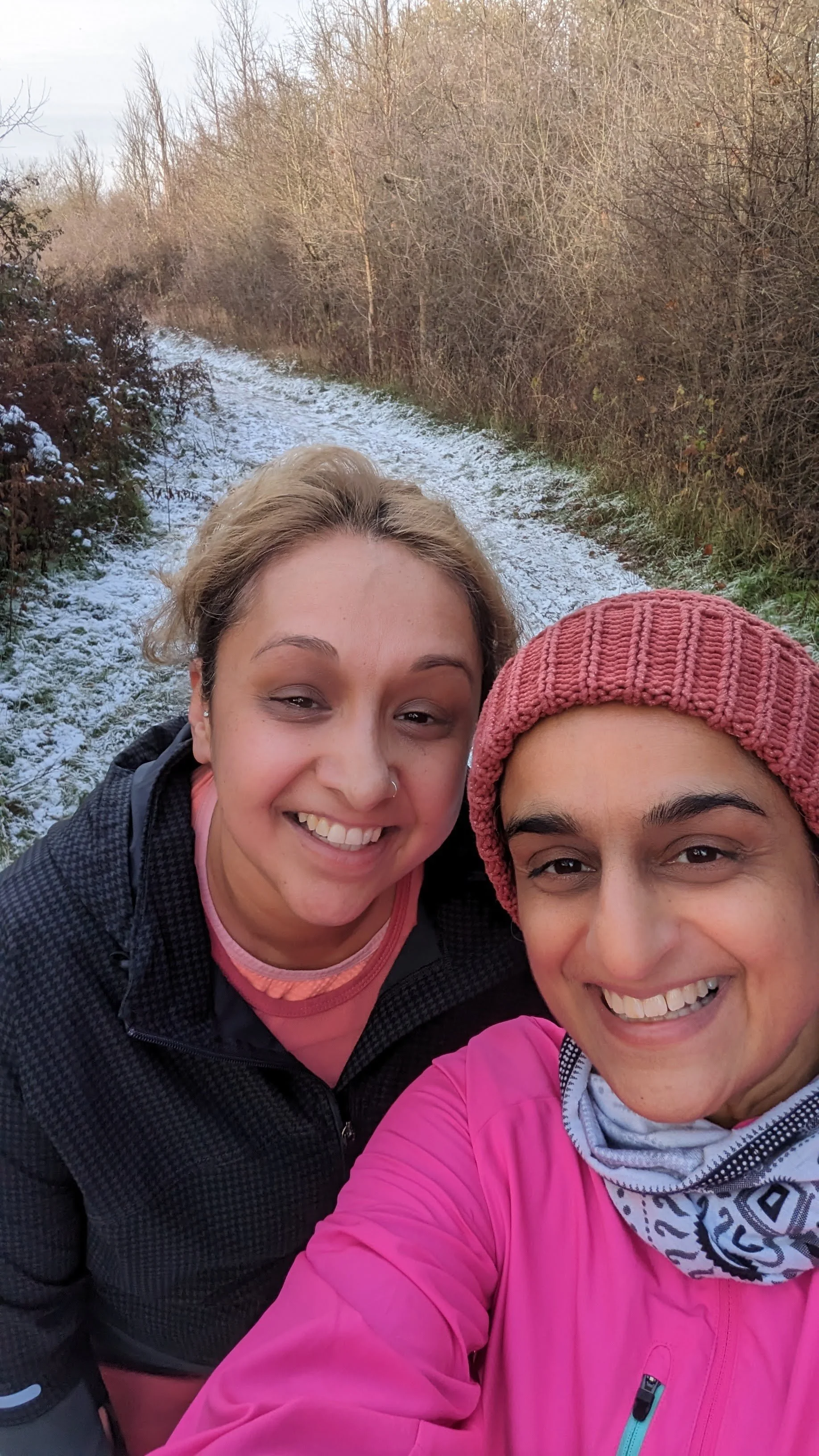
This episode is dedicated to my beautiful sister Sukhneil also known as Sukhy and Pickle.
Terms like hospice and palliative care can instantly make us think of worst case scenarios, but whether you are a patient or a caregiver, they should be considered a normal part of the experience offered by experts in Supportive Care Medicine.
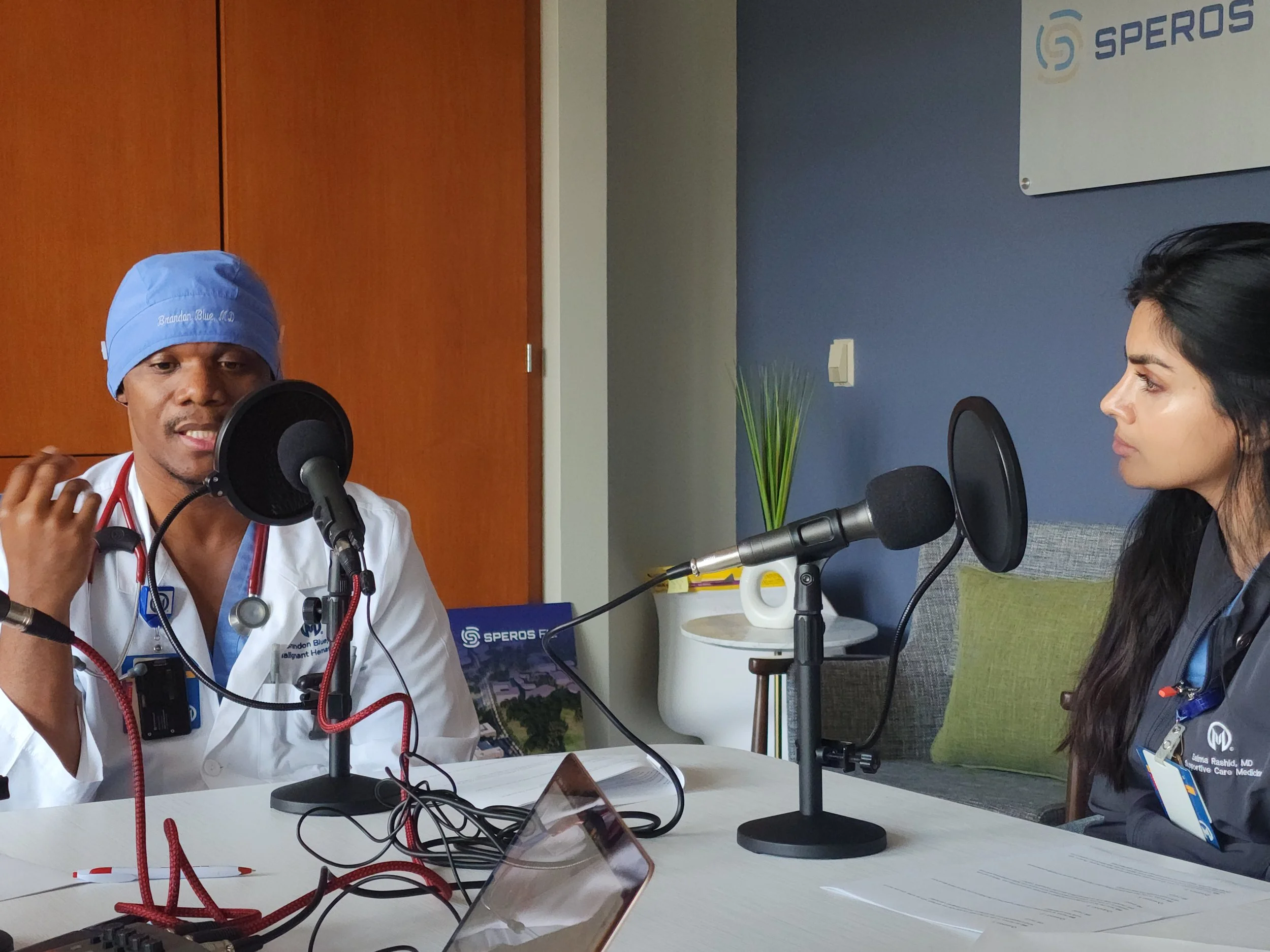
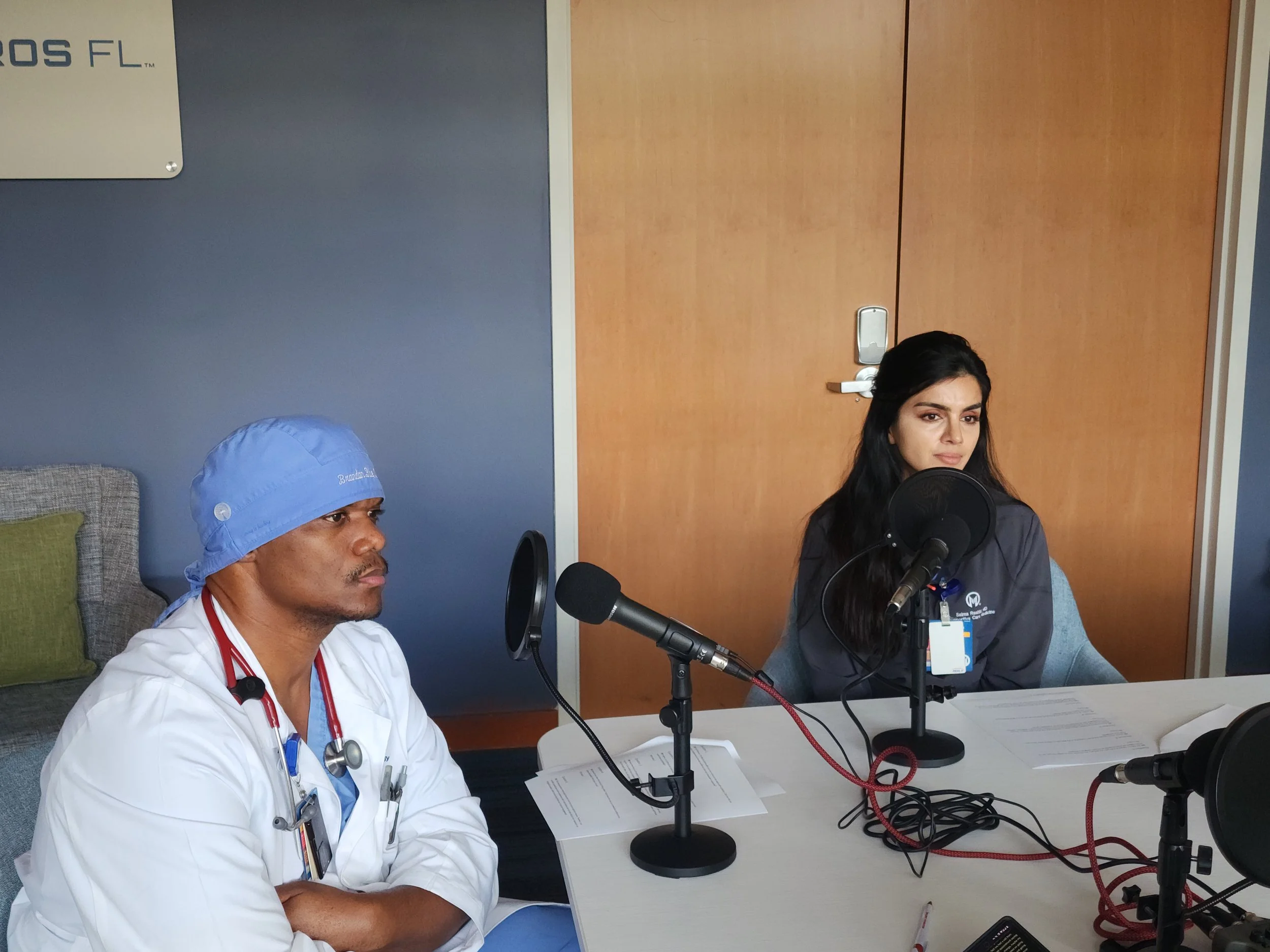
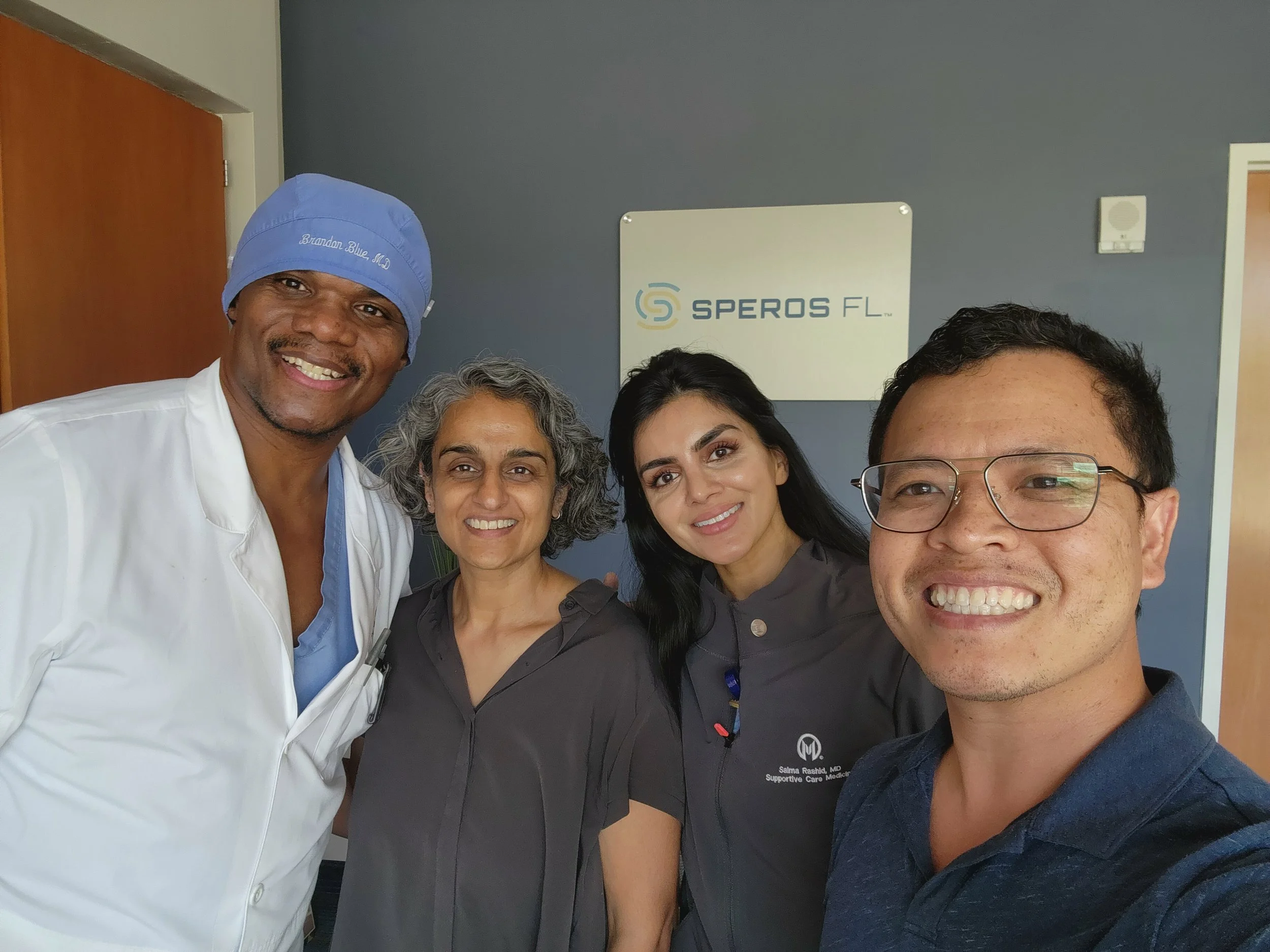
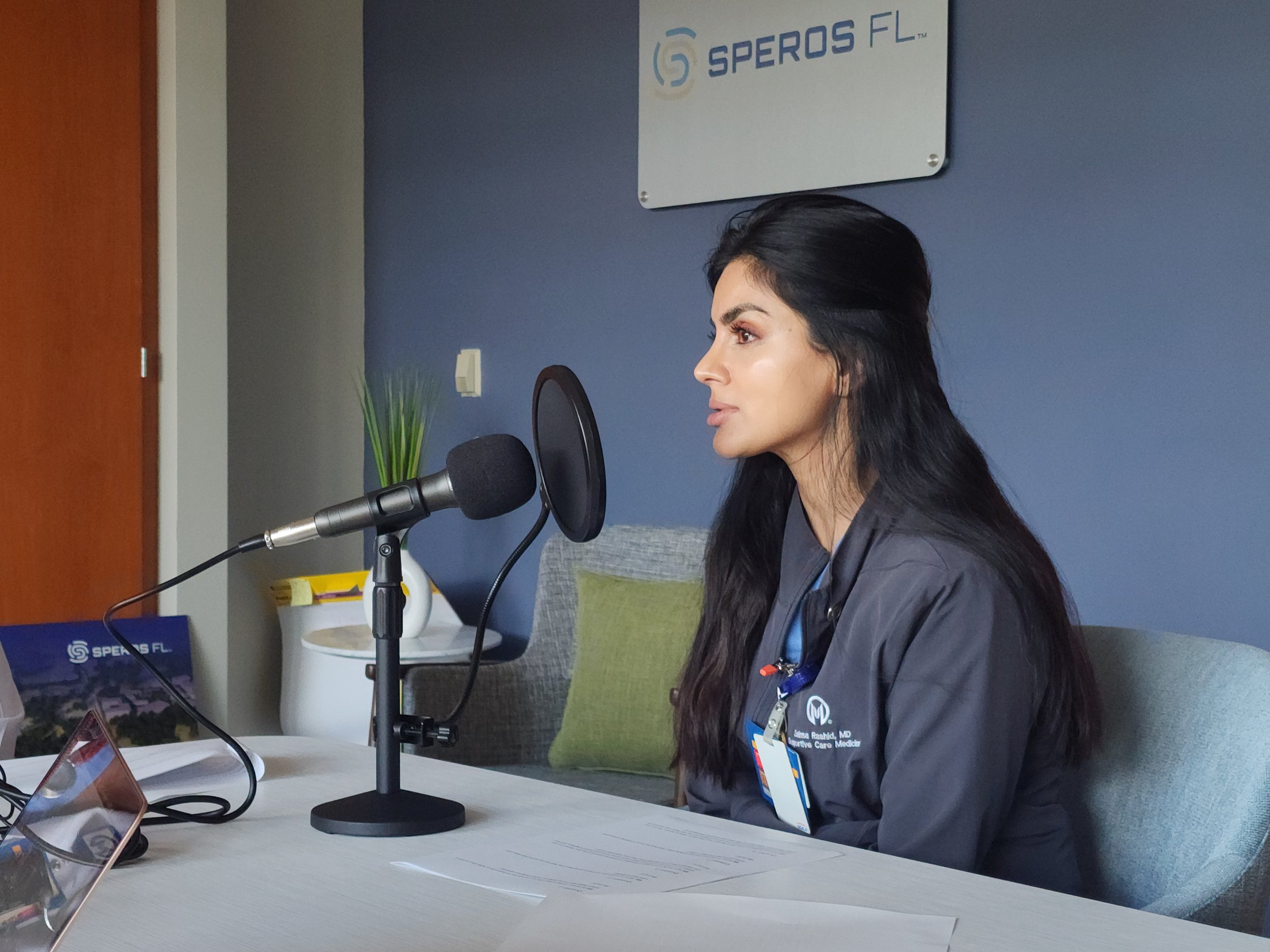
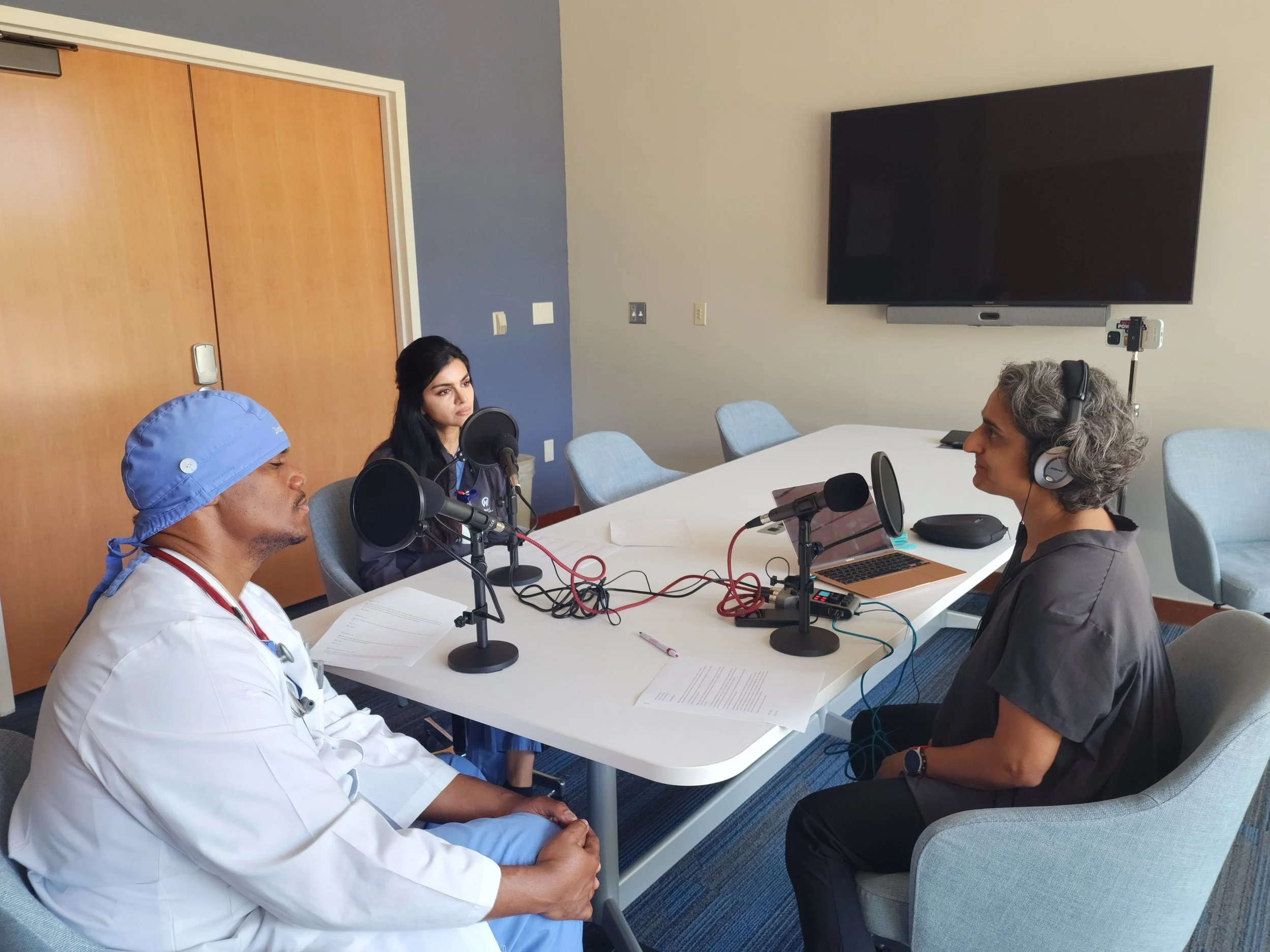
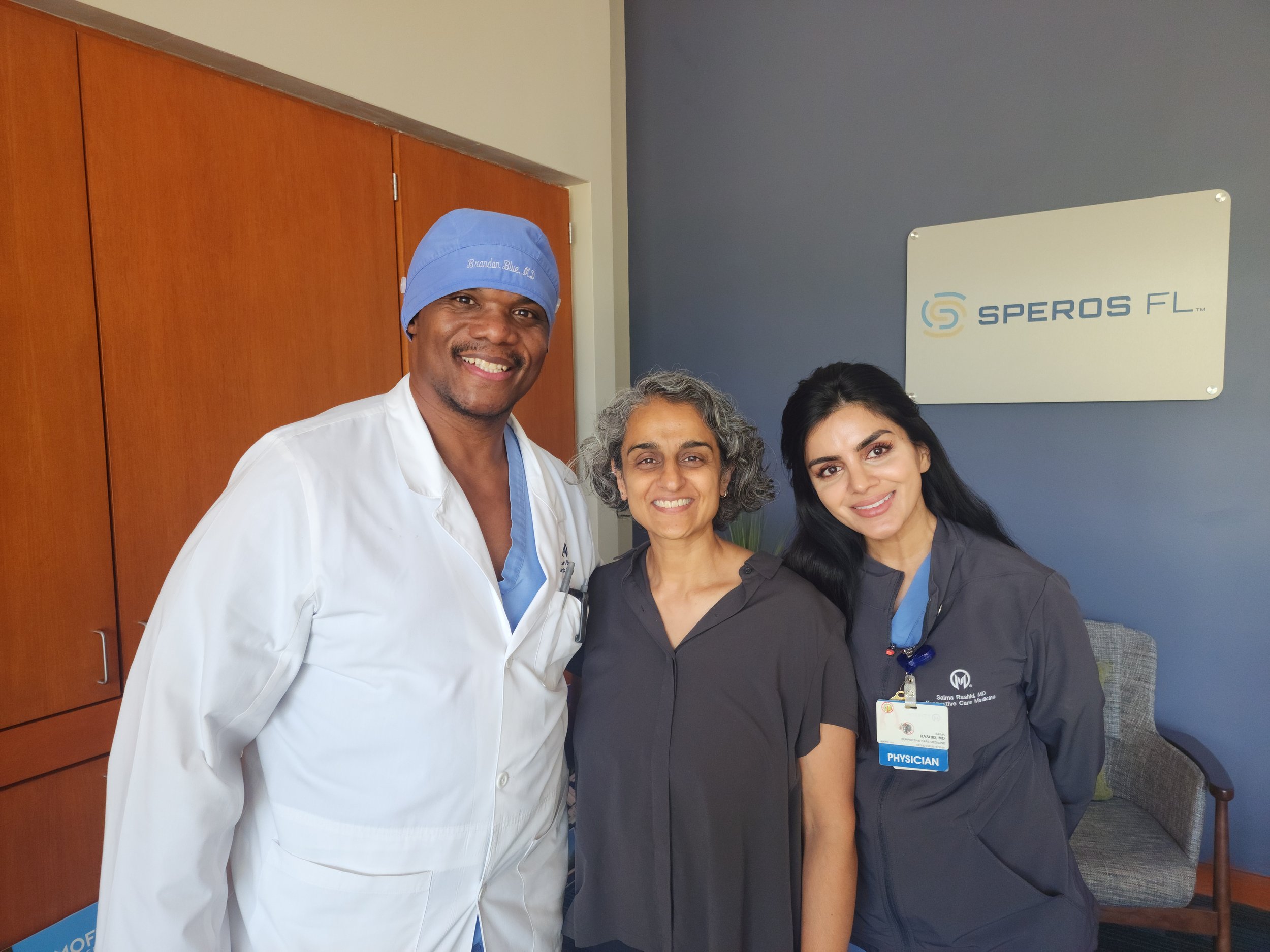
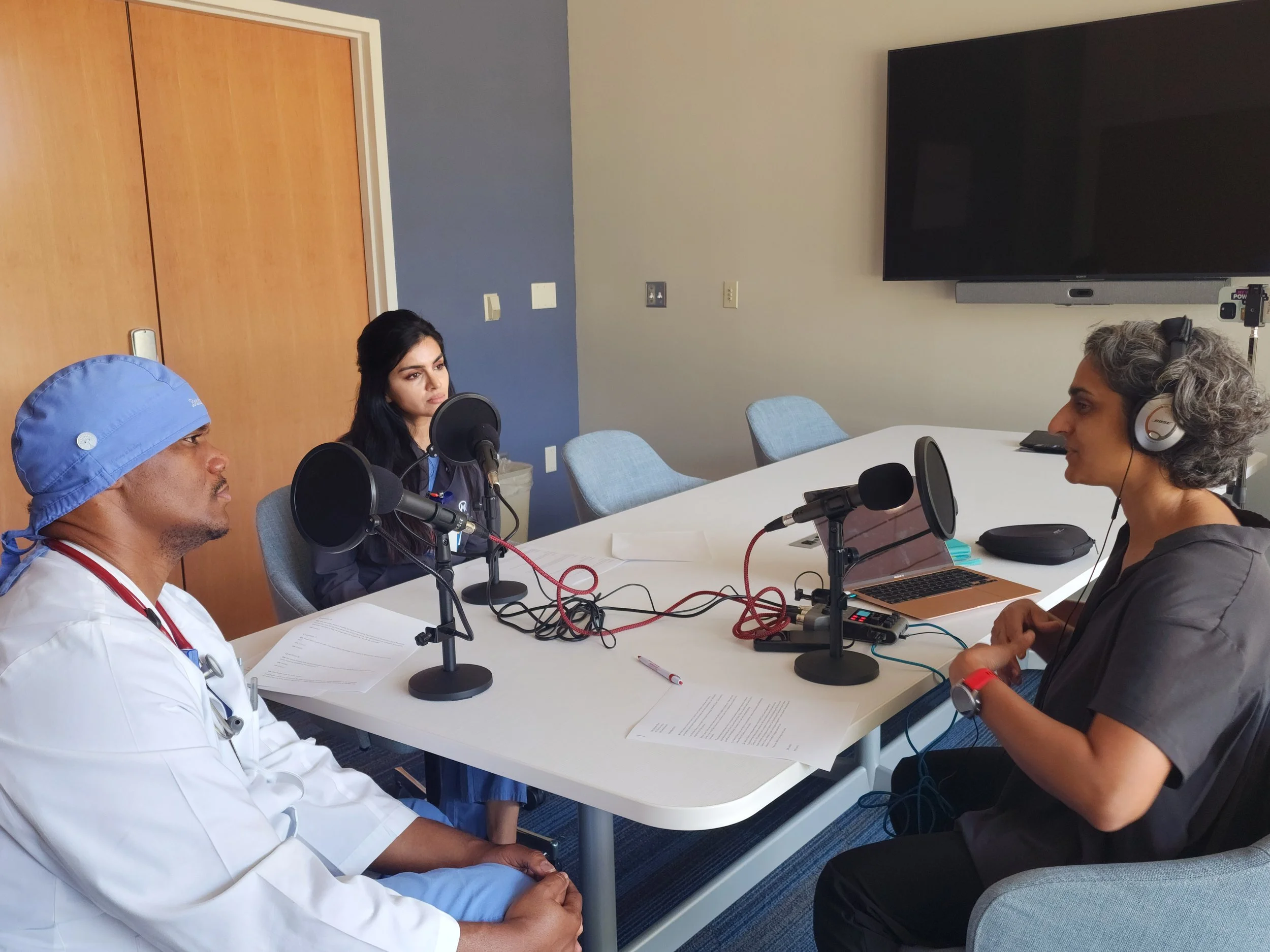
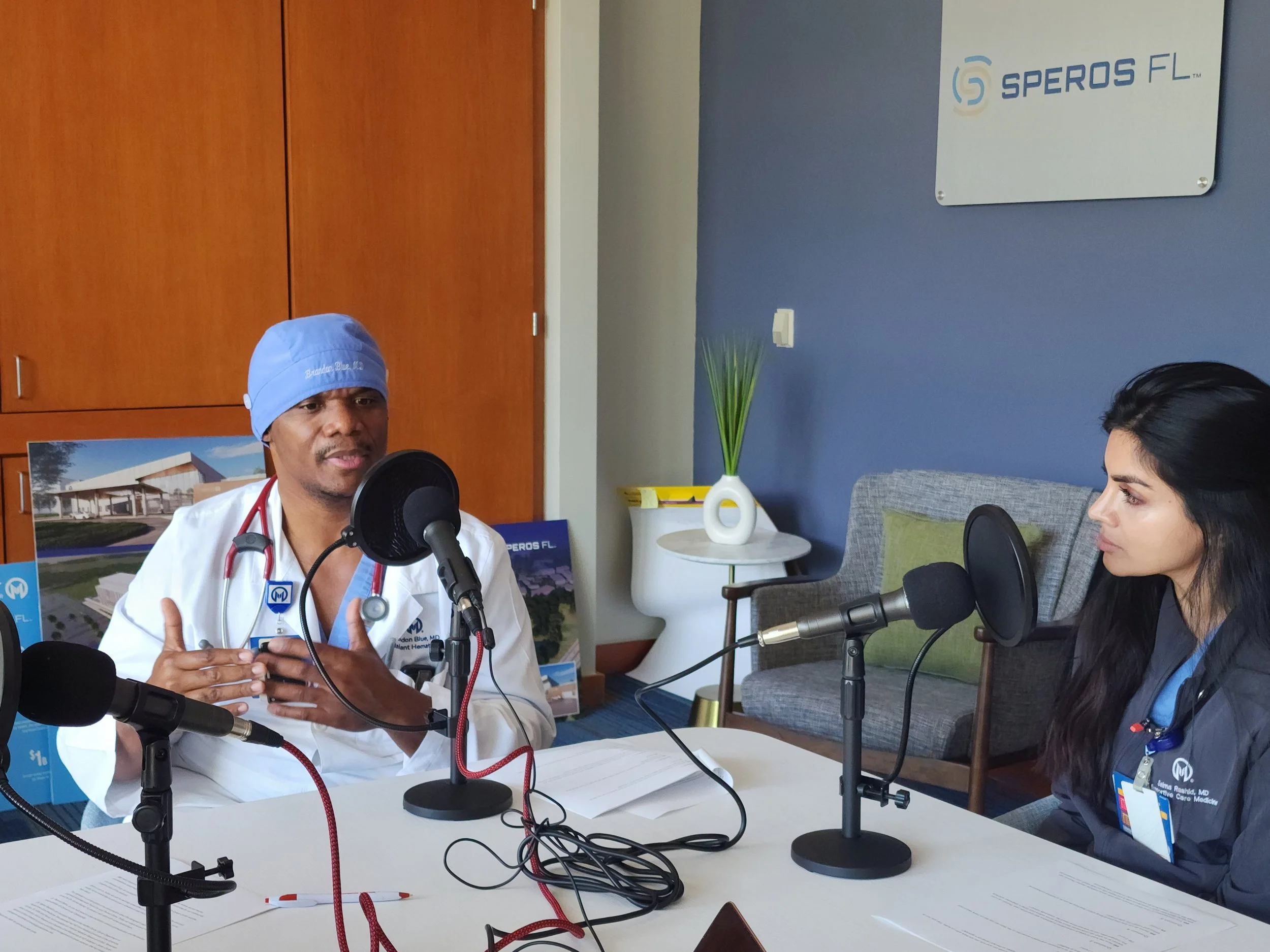
Treating a patient is not just about killing the cancer, but doing everything you can to improve their quality of life, a subject that Dr. Saima Rashid is familiar with as a specialist in palliative care, and Parmvir as a caregiver to her sister Sukhneil.
Join us to learn more about how and when to request services, and the benefits that they offer.
Find out about the work being done by Moffitt’s Department of Supportive Care Medicine and how they can help you: https://www.moffitt.org/treatments/supportive-care-medicine/
Learn more about our guests: Dr. Saima Rashid: https://www.moffitt.org/providers/saima-rashid/ Dr. Parmvir Bahia: parmvir.com
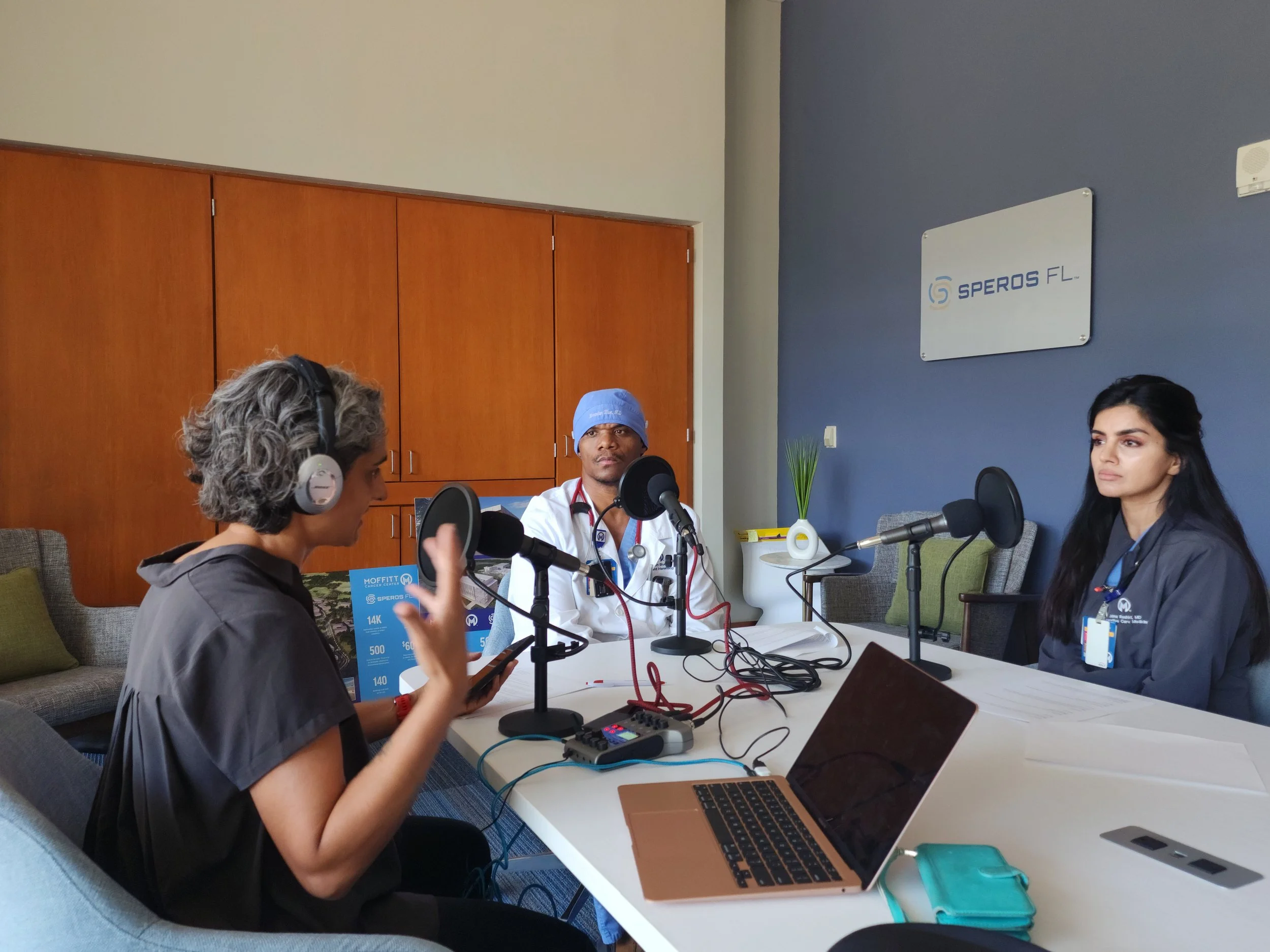
This is the second part of a conversation for the Cancer in our Community podcast, which is produced by: The Office of Community Outreach and Engagement at Moffitt Cancer Center and Artha Science Media.
Follow COE: https://www.linkedin.com/in/coee-at-mcc.
The featured music is: Sunlight Cascading Through the Clouds — Artificial.Music [Audio Library Release] Music provided by Audio Library Plus Watch: https://www.youtube.com/watch?v=mtONh3v8-mw.
Listen:
Watch:
Subscribe to our YouTube channel now for all future recordings.
Episode transcript
[00:00:00] Parmvir: So given the last episode was labeled the caregiver’s episode part 1, by it’s very nature it suggests there was at least a part II, which indeed happens to be the case. This follow up might never have happened had my sister Sukhy not been such a fierce advocate for herself and for others living with cancer. It was the most difficult work I’ve ever had to do, on a sensitive subject, but it felt like such an important message to share.
As with the previous episode, this comes with a content warning for discussions of end-of-life and palliative care, so please consider whether this is something that may be too upsetting for you continue.
For those who are still with us, this is Cancer in our Community - The Caregiver’s episode part II.
This one is for you Pickle.
[Intro music]
[00:01:03] Brandon: Hello listeners. Welcome back to Cancer In our community where we are having conversations about health disparities and making things more accessible in our community.
I'm Dr. Brandon Blue, an oncologist in the malignant Hematology Department at Moffitt Cancer Center and the longtime host of this podcast. Before I go on today we're tackling some very difficult and touching subjects, including end of life care and death. So I just wanna make sure that everyone is advised in advance that some of these topics, if you prefer not to hear about this, is now the time just to know exactly what to expect. Okay?
Now this is one of those things that happens to us all, so it is something that's very important to talk about because as we all do have a birthday, we all do at some point have to leave here. Okay? This episode is a continuation of our conversation about caregiver experience and which we originally recorded with Travis Coy and Parmvir Bahia.
We welcome back Parmvir, who will join us with Dr. Saima Rashid. As always, I will start with some introductions. Now, Dr. Parmvir Bahia, as you recall, is a neuroscientist, she's a science communicator, and the director and producer of this podcast, Cancer in our Community. However, new to you today we will be introducing you to Dr. Saima Rashid, who is an assistant member at Moffitt Cancer Center in the Department of Supportive Care Medicine. She obtained her MD degree from the Medical University of the Americas in St. Kitts and Nevis, and completed an internal medicine residency at East Tennessee State University and a Hospice and Palliative Care fellowship at MD Anderson Cancer Center.
Saima's clinical interest is in pain and fatigue management in cancer patients. She also has research interests in the outcomes of oncology and palliative care.
Thank you both for joining us today.
[00:02:56] Saima: My pleasure. It's great to be here.
[00:02:58] Parmvir: Thanks for having me back.
[00:02:59] Brandon: Okay. So, as we talked about Parmvir, you've been here before, right? Like you have discussed with us some of the intricacies of your relationship to cancer, but I think that we really don't typically have repeat guests. So I think it's important for the folks to understand, you know, kind of why it's important for you to tell your story, why we wanted you to come back and tell us kind of what has happened since we last spoke as it relates to your caregiver experience.
[00:03:31] Parmvir: Yeah. So shortly after the podcast recording in October of last year, my sister's condition got significantly worse. So, she started to have some severe nosebleeds and her blood cell count went down. Her fatigue just went through the floor. But I think it was in January of this year that she, actually this is kind of, I think, a great introduction to the story in the sense that she was being visited by her palliative care nurse who came to her home and she noticed that she had like a really distended belly and she expressed her concern about that.
So when my sister went back to meet her oncology team, after that she was told that again, she'd stopped responding to treatment. Now, this isn't the first time it happened for her. Generally she would get put onto another line of treatment, but this time, like her liver was clearly starting to suffer and she was starting to show signs of jaundice, which is one interesting thing I think to point out, is that in people who have fairer skin, jaundice is much more obvious. For somebody with darker skin, you can't tell so much. And essentially you could only see this kind of yellowing in her eyes.
And when she spoke to her oncologist, the doctor did express that this was a serious stage of the disease and my sister said she just didn't think she was going to survive the year.
Then the next few weeks after that were essentially, there were a lot of interventions which weren't active treatments, so they would send her back to get electrolytes or they would send her to get a blood transfusion, none of these things are actually treating the cancer. She got a low dose of a much harsher chemotherapy, which then didn't work. And so frustratingly, we were in and out of the hospital getting these treatments, which weren't actually curing anything, until eventually we went back for a final oncology appointment, which, and at this point I think I was quite disappointed with her medical team just because I think it would've been a lot fairer for them to be honest with how well she was doing, or rather how well she wasn't doing. And the strangest thing was that, that very last appointment that we had, we got a call from the nurse to say, well, if her condition isn't very different, you can potentially cancel this appointment. And I said, no, I think we'd like to come in and speak about this. And it was only at that appointment where I asked well, what are, what are the options now? And the doctor went through and basically shot down everything that I said and eventually said that we can no longer give you the kind of treatment that's going to act on the cancer.
So my sister found out at that point that she only had weeks to live. And, to us, this was horrifying. Like we knew that she was in a terrible way, but at the same time, we felt unprepared to hear that at that time.
But my sister being my sister went home and she'd already been in touch with our local hospice and so since she hadn't been able to climb up the stairs for a long time to get to her bedroom, we had a bed put downstairs in the living room. She also had a number of other things that she ordered to kind of help her with her mobility and just being able to do things around the house. And we also had another visit from her wonderful palliative care nurse, Barb, who was just an absolute hero in terms of how she kind of prepared us, with all of the things that she brought with her.
And so she showed up with this massive bag of drugs whether they were painkillers, whether they were anti-inflammatory steroids, all sorts of things that they knew that she would need to basically keep her comfortable.
And it was within the process of a week, she [Sukhy] went from walking around and having dinner with us, to essentially passing away a week later.
I mean, we were really lucky in the sense that we had, we had so many friends and family around. They were cooking for her. They were helping to clean her up, move her around. And as I said, with all the medication that she had, we knew that she was comfortable and, uh, we knew that she wasn't suffering in any great way. And that's, I think the only thing I can say for that part of the experience is that we knew she wasn't in pain.
[00:07:59] Brandon: Yeah. You know, I appreciate you for opening up with us and so I want to just recap for those who may have missed our previous episode and just let you guys know that when you hear Parmvir talking, she's not talking about someone who she just knew. This is her sister. And her sister, you know, had a very advanced cancer and what she's talking about now is unfortunately they took her cancer treatment from trying to improve the cancer to what they call: palliate her. And what that means is, is that at some point, the focus was not to get rid of the cancer or to shrink the cancers down, it was to really try to make sure that her symptoms and how she was feeling, was being addressed.
Now, I do wanna ask this question because, you know, one of the things that we always hear about is this thing, palliative care, but I don't think that it gets explained much. And so I do want to bring in Dr. Rashid to just kind of help us understand this word that Parmvir was using. So can you help the listeners understand when they hear the word palliative care, exactly what that means.
[00:09:10] Saima: So here at Moffitt, we work very closely with our colleagues, oncology, radiation oncology, and particularly for us, our focus is less on how far someone's disease process is. Our focus is mostly on kind of quality of life, symptom management, emotionally supporting the patient, the family, providing resources like, you know, psychiatry, psychology, integrative medicine, aggressive symptom management, things like pain, nausea, fatigue, and kind of meeting where the patient is on their journey of treatment.
[00:09:54] Brandon: So when you say symptoms, when people hear that, they don't really have a good idea. So what I hear you're saying is, sometimes during people's cancer journey, they may have tiredness where they just don't feel like getting outta bed or they may have nausea where their favorite food is in front of them and they're just not really feeling like eating.
Are those the types of things that you're talking about or what kind of things can you help improve?
[00:10:20] Saima: Absolutely. So I guess what I would say would be our focus is, one, it's affecting quality of life. If someone is not able to eat and that is affecting their overall quality of life, then that is something we wanna target. We want patients to be able to have the most, I quote “normal” or as close to their daily life as they once had prior to this diagnosis.
[00:10:46] Brandon: But how does someone know when they should go get palliative care? Like is this something that should be at the beginning? Is this something that should happen once someone has reached stage four? Like how does someone know when to get an expert doctor in palliative care like yourself?
[00:11:01] Saima: So we would say, and we love to say, the sooner, the better. It is absolutely beneficial for patients to be established with us because they have a provider that is focused solely on their quality of life, their symptom management.
So when we see patients further down the disease process, it is more challenging for us because there's been so much time that's gone by where things maybe potentially haven't been addressed or that added level of support was not there. So we would say as soon as possible.
[00:11:31] Brandon: So would it be correct then to say that as soon as you may get a diagnosis of cancer, they could see a doctor like you?
Like when is too early?
[00:11:41] Saima: So absolutely. In the clinic, we would see patients that would ask to preemptively be sent to supportive care because in the future, if they do develop symptoms, they have that support team already available.
[00:11:54] Brandon: Does the support that you guys are able to provide include people whose cancer might be curable?
[00:12:00] Saima: Absolutely.
[00:12:00] Brandon: Or do you guys only see people whose cancer may be not curable?
[00:12:03] Saima: Absolutely. We see from all the various stages.
[00:12:06] Brandon: Okay.
[00:12:06] Saima: So we see some patients that have what we would call curative intent or plan for a cure, but they may be symptomatic, they may have pain or you know, they're not able to keep food down. Or they may have profound fatigue. And so we still wanna address those symptoms as they undergo treatment.
[00:12:22] Brandon: So you guys have heard it here that whatever myth you may have read about or heard about, in order to receive palliative care treatment. You don't necessarily have to have end of life care. It should be a part of everyone's cancer journey. Is that what I'm hearing?
[00:12:39] Saima: Absolutely.
[00:12:40] Brandon: Okay, so you're hearing that first, so if anybody tells you, they say, oh, palliative care is something that does not apply to you because your cancer might be cured, you say, no, no, no. I heard on this podcast that even people whose cancer can be cured and maybe at an earlier stage can still have palliative care.
[00:12:56] Saima: Absolutely.
[00:12:57] Brandon: Alright, and that sounds like something that we do right here at Moffitt Cancer Center, but I want to touch base back with you Parmvir, because a lot of people don't know these things and so I'm glad we're having this kind of conversation. When we last talked, you know, your sister's condition was kind of going through ups and downs and there was good days, but you know, we were still kind of figuring out what was happening, but how much was talked about palliative care and these terms that Dr. Rashid is using, like during her cancer journey. Was that something you guys were well versed with? Was that something that, kind of, just sprung up kind of later in her journey? Can you, can you talk a little bit more about that?
[00:13:34] Parmvir: Yeah. So, exactly as you said, there is this preconception that it's something that is only applied when the patient has non-curable disease or, you know, they are particularly ill, and so in my mind, this is something that is applied when the person is in the final stages of life. And this might be due to differences in healthcare systems, but when my sister got her primary diagnosis, she wasn't connected with any kind of supportive care then, like we get that kind of treatment through the regular NHS. And it was only when she got her stage four diagnosis when she was referred to a hospice and the palliative care services that they have.
And one thing I wanted to point out is that I really love the term supportive medicine 'cause I think that's far more apt. And think that's part of the problem, right? When we think of palliative care, then it becomes this process of dealing with death.
I think she was horrified to receive that referral letter, but when she went there, I think she was hugely reassured when she spoke to them because same thing, they offer counseling, she managed to get art therapy for her kids because the support is not just for the patient, it's for their family and their carers.
She also had access to massage therapy, so she got things like that, which I think were incredibly beneficial to her mental as well as physical wellbeing. And I think for me what it's done then is kind of changed the definition as being something you apply to death as something to make your life the best you can live it. So as you say, it's about quality of life less than, you know, just treating a patient.
[00:15:14] Brandon: So I'm glad you brought that up, Parmvir, because Dr. Rashid, I hope you can clarify this for our listeners. A lot of times when people say palliative care, the very next word that they come out of their mouths is hospice.
Are those the same thing?
[00:15:29] Saima: They're very different.
[00:15:30] Brandon: Can you explain?
[00:15:31] Saima: So, as I mentioned, palliative care is more focused on quality of life, symptom management, and support for family and the patient. And that is not related to where they are in their disease process. However, hospice has a similar focus in terms of quality of life, but patients that do go to hospice have been given an essentially more of a terminal diagnosis.
They, at this point, particularly for our center, either they do not qualify for further treatment, perhaps they're too ill, or unfortunately, there is no treatment that is working for their particular cancer type.
[00:16:15] Brandon: And so, Parmvir mentioned things like massages and certain things like, how does that incorporate into somebody's cancer journey? Like what things or resources does a palliative care team have available to help people?
[00:16:29] Saima: So, under our umbrella, we are kind of palliative medicine, supportive care, which we do all the kind of medical things. And then we also have behavioral medicine, which would be psychology, psychiatry to help with the psychosocial support. And then we also have integrative medicine, so that would be your yoga, your visual guided imagery, massage, aromatherapy. So we have various providers that do that.
Especially in the inpatient setting to help patients kind of navigate this distract, kind of therapeutic touch, that sort of thing.
[00:17:04] Brandon: Yeah. You know, I think people, when they hear certain things, they may just think pain medicines, pain medicines, pain medicines. But from what I'm hearing you say, there's treatment for the mind, body, and the soul, right? I mean, 'cause if you're saying art therapy, there's healing in just a paintbrush. You know what I mean? And so I think that there's a lot of misunderstanding out there about all the resources that you guys have. So I'm very happy for doctors whose expertise is really in just how to help people with life and how to handle life and the quality of life.
So I tip my hat to you on that. Parmvir I just want to open up this question because I think a lot of people may be having this question is that if you are with your sister during her cancer journey and then people say, oh, we want you to see a doctor like Dr. Rashid with palliative care, is that something that immediately you guys say?
Oh no. Or as a caregiver, you're like, Hey, we need help with this. Is this something that, you know, needs to be embraced or was there, you know, I know you said that there was some fear there, but, but talk us through a little bit about the mindset of how you think some of these services or what you guys were thinking and maybe how they may have helped, you know.
[00:18:16] Parmvir: Yeah, so I think in my sister's case, once she had met the team that she was going to be working with. I think she was reassured to the point where she was happy to accept any of the services that were available to her. But I can also see that for some people this might be a mental block to say, especially culturally when people don't want to talk about these things, that they wouldn't necessarily take up something like counseling or they might have to be spoken to in more depth to help them understand why this is also an important part of the care. For us as far as we were concerned, anything that was available to her, we were happy for her to take on and we would've encouraged her to do so because it felt like any of that was going to be beneficial.
[00:19:00] Brandon: Did the palliative care process make you guys' job as caregivers easier or harder?
[00:19:06] Parmvir: Oh, easier for sure, yeah, so the one thing I'll say about my sister is, until that last week, she was still very active and she was very good at being able to look after herself. So if she had appointments for counseling or for the massages, she was generally able to get there herself.
And I can see that for other caregivers it's not necessarily going to be the same. And so it's much more work for both parties to have to coordinate to make sure that that person can go and get all the necessary care they need.
[00:19:38] Brandon: So when someone is having end of life care, the number one thing that I hear people say is I just don't want her to suffer. I don't want her to be in pain because we know pain is such a big part of sometimes the dying process. I just would love to hear how you and your family and your sister, you know, kind of dealt with pain being an issue.
And then Dr. Rashid, if you can just help us understand, I know you've done some research in this area, it would be very nice to know what are the options? What does your research tell us? You know, a lot of people know things like opioids or things like narcotics, but it sounds like there might be other things.
So, Parmvir I wanna hear from you first and kind of see how your family kind of dealt with some of these things. But Saima, if you could just kind of give us some insight on what the research shows and kind of from a doctor's perspective, that would be fantastic.
[00:20:30] Parmvir: Yeah. So, I think her pain relief ranged from everything, including massage, so we were a very touchy-feely family, and so if she needed a back rub, she would get that, if she needed any kind of head massage, we would give her that. But as well as that, I think actually a lot of her pain was managed just through things like Tylenol and anti-inflammatories, so essentially not targeting the pain, but targeting the underlying things that caused the pain.
And it was only in the last few weeks where it was clear that she was so very uncomfortable and the pain then shifted to being something quite different that she was given morphine, which originally was a type of oral morphine. And so she was taking like a little liquid in a syringe. But the concern was obviously that at some point, she was going to find it difficult to swallow. And so then she was given a pump, which meant that she had a slow, constant injection, and it meant that she was kept comfortable and not feeling pain, obviously.
There were certain things that still made her distressed and I think that was something that wasn't going to be able to manage just because there was so much swelling in certain parts of her body. But ultimately we didn't need to do much beyond that because that was enough for her to be able to cope.
The only other thing I would point out is that obviously once you have a particular dose of morphine, the person becomes quite spaced out. So it became very difficult to communicate with her and so a lot of what we had to do in terms of caring for her towards the end, really required us knowing who she was as a person, how she was responding to certain things.
[00:22:14] Brandon: And then Saima, tell us about some of the research and things that you've done in this area of pain or about opioids and narcotics.
[00:22:22] Saima: So, opioids are a very big part of pain management in the cancer realm. We do use things like Ibuprofen or Tylenol, but there are very oftentimes that we can't use those because of side effects or, you know, things that could affect the safety. So at that point we typically will switch to opioids. We use a variety of opioids outside of morphine as well. And you know, our goal or our target is always to try to keep patients as functional as possible while on a particular dose. So, you know, we do lots of rotations, dose adjustments, that sort of thing.
In terms of new medications for pain, there are new medications coming out. A recent one, as of January of this year was approved. However, they are still more for acute pain. So you think, you know, following surgery for kind of a short duration, not for chronic pain or cancer related pain.
[00:23:23] Brandon: Got it. Well, Parmvir I wanna make sure that people understand what the thought process is like? When you were taking care of your sister, was there a point where you said, I think this is it, or what was that like, you know, or were there conversations that maybe your sister knew and she says, Hey, sis, I'm not gonna survive or I'm not gonna, you know, what was it? Did any of those kind of conversations, what was happening like in the home during that last couple weeks where either that it was identified or maybe you guys didn't wanna talk about it, you say, you know what, Hey, we see what's happening, but let's not talk about it. Let's just focus on the good stuff. Can you talk to us more about the mindset?
[00:24:12] Parmvir: Yeah. I think when we came home from that last oncology appointment, at that point, she basically came home and obviously had to tell my parents, which was incredibly difficult for her. But she personally had made her peace and I think she'd already realized that this was going to be it. So, we were just thinking about how we were going to spend those last few days with her.
[00:24:36] Brandon: Your situation that you had with your sister was one of those things that a lot of people deal with, whether it's their loved one or their spouse, whether it's their sibling, you know, whether it's sometimes even their own children, right?
And so, you know, I think it's just important to kind of figure out, you know, kind of what those last kind of conversations, what the mood was, just so people can kind of get an idea of like, you know, kind of what you went through.
[00:24:59] Parmvir: Yeah, so one of the difficulties for me personally was I always want to be prepared in terms of what I should expect with something.
And I went online to look up and bearing in mind my background is in biomedical sciences and I just couldn't for the life of me figure out what those last few days might look like for her. And I went to numerous websites for Cancer Research centers, for cancer charities, and I essentially just wanted someone to describe what that experience might be like for the patient.
And I only found one website, which was a forum for the Cancer Research UK website where somebody said, this is what happened to my dad who was in this position. And I got some reassurance from that again, that especially with the type of cancer that she had and the way her liver was failing, that it essentially is, it's quite a peaceful way to pass, because if you have the right kind of medication that essentially the person just goes to sleep, stops breathing and doesn't wake up. But I think if I'd known in retrospect that we could have gone to the palliative care team to ask them for this kind of information, that would've made things a lot easier because honestly, the nurses that came around every day to look after her, were probably the kindest and gentlest people I've ever spoken to, and I think they slowly, every time we observed something happening to my sister, they would patiently explain what it was and what the next step of the process was going to be. And I think just having that was really reassuring.
[00:26:44] Brandon: Well, you know, Saima, I know that this is probably something you deal with on a daily basis. And so, because people like Parmvir said, they just don't know about some of these services, about what the resources are. I know that here at Moffitt we do have a whole department for palliative care and so, maybe if you can just kind of give them a little bit more detail and say, alright, well these are some of the things that we can offer, or this is the type of person who can come to get these kind of services, maybe just kind of clear the air a little bit for people. Maybe a good one to two liner for people who have maybe never heard of some of the things that we can do. Maybe give 'em some clear insight on how they can come to Moffitt to get some of this kind of help.
[00:27:25] Saima: So for our general population that we see, we encourage patients to come in as early as they feel necessary. Once they're established in our clinic, we are happy to help with, you know, pain and symptom management, whatever that may be. We do a lot of navigating serious conversations as well, kind of helping families have open conversations about if/then type of scenarios, help patients communicate their wants with family members as well.
This is kind of what we've labeled as advanced directives, so that helps navigating these things earlier before patients are seriously ill, because it takes that pressure off and it helps family members understand where their loved one is coming from. And then again, we have, you know, resources like psychology. Our psychologists are trained to help this particular population. This is their training for family members or children that have a loved one that has cancer. We also have access to various kinds of community organizations that can help navigate these types of sensitive areas as well.
[00:28:37] Brandon: So, Parmvir, did you guys have those tough conversations? Like was it something that you or your sister or your sisters sat down and say, Hey, if this treatment doesn't work, what if? I know a lot of people, when I take care of them, they don't want to even focus on that section.
You know, they say, Nope, this is gonna work, and they don't think about the: Or else, you know what I mean? So, how did you guys as a family decide to handle that?
[00:29:03] Parmvir: I think with the generational gap, we have very different outlooks. So my parents prayed and that was the thing that brought them solace. They didn't really want to talk about much of the rest, but they did at least listen to my sister when she expressed how she was feeling and what her concerns were and what she wanted ultimately.
But my sister was, she was very open with all of us and I have another sister. And so the three of us would talk through what she wanted ultimately. So we knew that when it got to a particular stage, she didn't want to go above and beyond to try and tackle that.
She was actually very forward thinking, and one of the things that was so important to us was that she created a will, she spoke to her kids about what might happen and, it made it a lot easier for us to then have to deal with all the crappy admin that comes afterwards as well.
That's another shocking thing is there's so much of that after somebody passes away, it's just you think, okay, well how bad could it be? And then we realized that we spent months going through pieces of paperwork and so on. So as I say, she was so thoughtful about what life was going to be like for everyone else afterwards, that she made sure that she had everything in place. And she discussed all of that with us beforehand.
[00:30:28] Brandon: Well, listen, I'm just happy that you guys had that conversation. That's not an easy thing to talk about. And so I am also happy that Saima and her team of palliative care folks are also here to help people kind of navigate that conversation because not everybody's family gets to everybody together and it's just, you know, a very peaceful thing.
And so, I think it's important just for people to know that you're not alone. We have a whole department of people that's literally Dr. Rashid's job is to help people kind of navigate some of these kinds of issues. And so, I think that's really a main point that I wanted to make sure that gets discussed today.
So if you could kind of think of some main points that you say, Hey, I know this has been a long conversation, but I really want the listeners to at least grab onto this particular thing. You know, Parmvir I'll start with you. What would that one thing be?
[00:31:19] Parmvir: I think it's essentially to reiterate what you said, which is: reach out to the people who can offer you those services. Don't be concerned that it might be too early, because regardless of the time point, it's worth knowing what is available to you and when.
[00:31:36] Brandon: Saima.
[00:31:38] Saima: I will reiterate that I would encourage patients and family not to get concerned or think that your oncologist is essentially telling you that you know you're going to die or, you know, kind of an extreme situation.
We help patients in very different aspects. We can help patients very early on that the goal is cure, versus patients that are symptomatic because their disease is worsening. So not to get scared. It is another resource of many different skilled providers that is there to help support patients and their family members and help navigate this complicated journey.
[00:32:19] Brandon: So I would imagine, Saima, that some of your days are very heavy, you know, and that some of the conversations that you deal with on a daily basis, they're sometimes not the most pleasant, you know? How did you get into this? Like, how did you wake up and say, you know what? I wanna help people in this way.
How did that come about?
[00:32:38] Saima: I will, and I say this all the time, I will confidently say that the patients that I meet here are the most resilient people and family caregivers that you could imagine. I think it's inspirational despite all of the things that they're going through, they're still very grateful.
They're in need of help and we're able to provide it, and it's just patients that I was able to connect with.
[00:33:06] Brandon: But what do you do personally to not take these heavy stories that you're hearing every day home with you? How do you make sure that you wake up fresh and bright for the next day?
Like, what do you do as, like, your downtime to say, whew, you know, this today was heavy, but at least I'm gonna go for a jog, or I'm going to get a facial. Like, like what do you do as you're like, all right, I need a reset moment.
[00:33:31] Saima: Well, I have a very loving and supporting family, so I would say that is helpful.
My colleagues are wonderful. We, with complicated patients or complicated scenarios, we often debrief, so that's very helpful, to kind of let it go to get a break. And then I also have a one and three year old that help distract from anything that's complicated.
[00:33:52] Brandon: Sounds like a busy life.
[00:33:53] Saima: Yes.
[00:33:55] Brandon: Well listen, I just want to say thank you both for your time. I really appreciate you opening up, both of you about some very personal issues. I also want to thank, you know, our audience and the patients who might be listening or really want to know about some of the issues that we have really tackled here.
You know, this is not something that makes it on the five o'clock news, you know, but this is something that literally people deal with every single day. You know, I just want to say, also for those who want to know more about supportive care and the things that we can offer at Moffitt, just know that we have a lot of resources and that there's more details in the notes section of this podcast.
Also, there will be links to learn more about the work done by our center of outreach and engagement. I have been Dr. Brandon Blue and you have been listening to this podcast. Thank you so much from cancer in our community. Thank you.