
Cancer in our Community - The caregiver's episode pt 1
Cancer is a profoundly disabling illness, whether that is due to side effects from the life-saving treatments or the disease itself. Understandably then, patients need constant and vital support in the form of caregivers, but who do we consider to be a caregiver, and what does their role involve?
In this episode we discuss the essential role of caregivers, who qualifies as a caregiver, and the responsibilities they take on. We also address an important question: who looks after the caregivers when they themselves are impacted?
Join us as we uncover the challenges and rewards of caregiving in the context of cancer, and highlight the importance of support for those who give so much to others.
This episode is part of the Cancer in our Community series making cancer care more equitable for all patients.
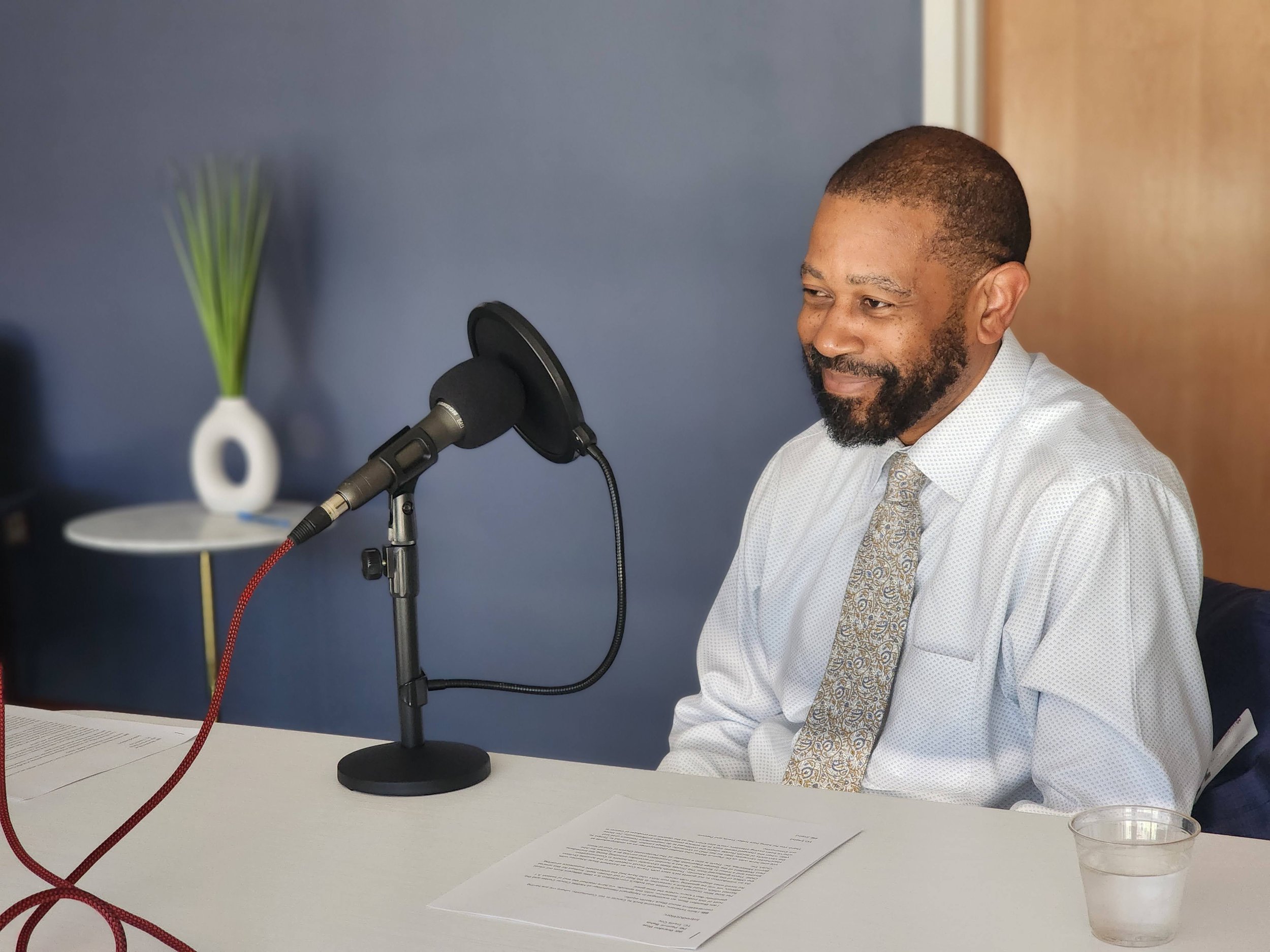
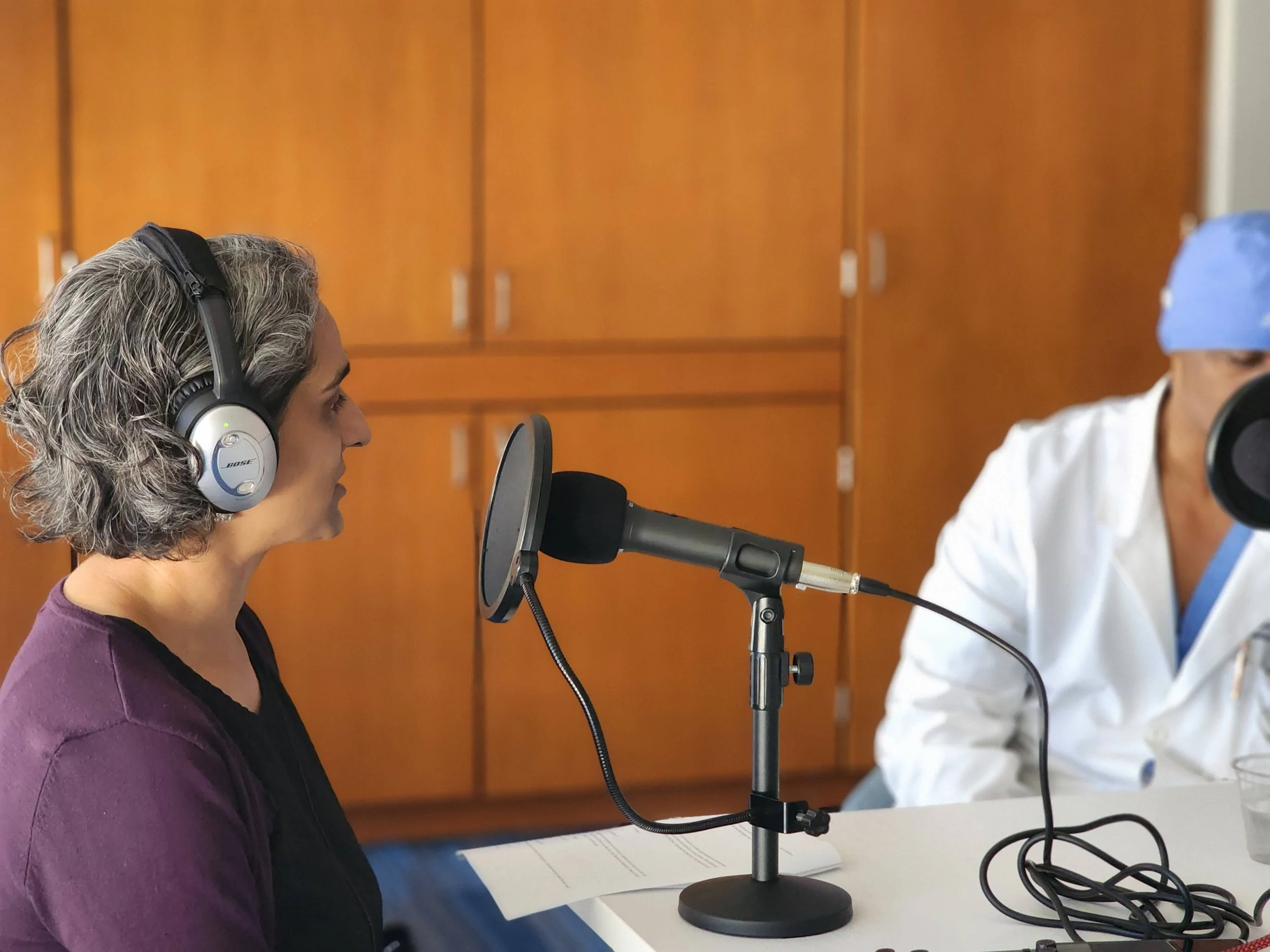
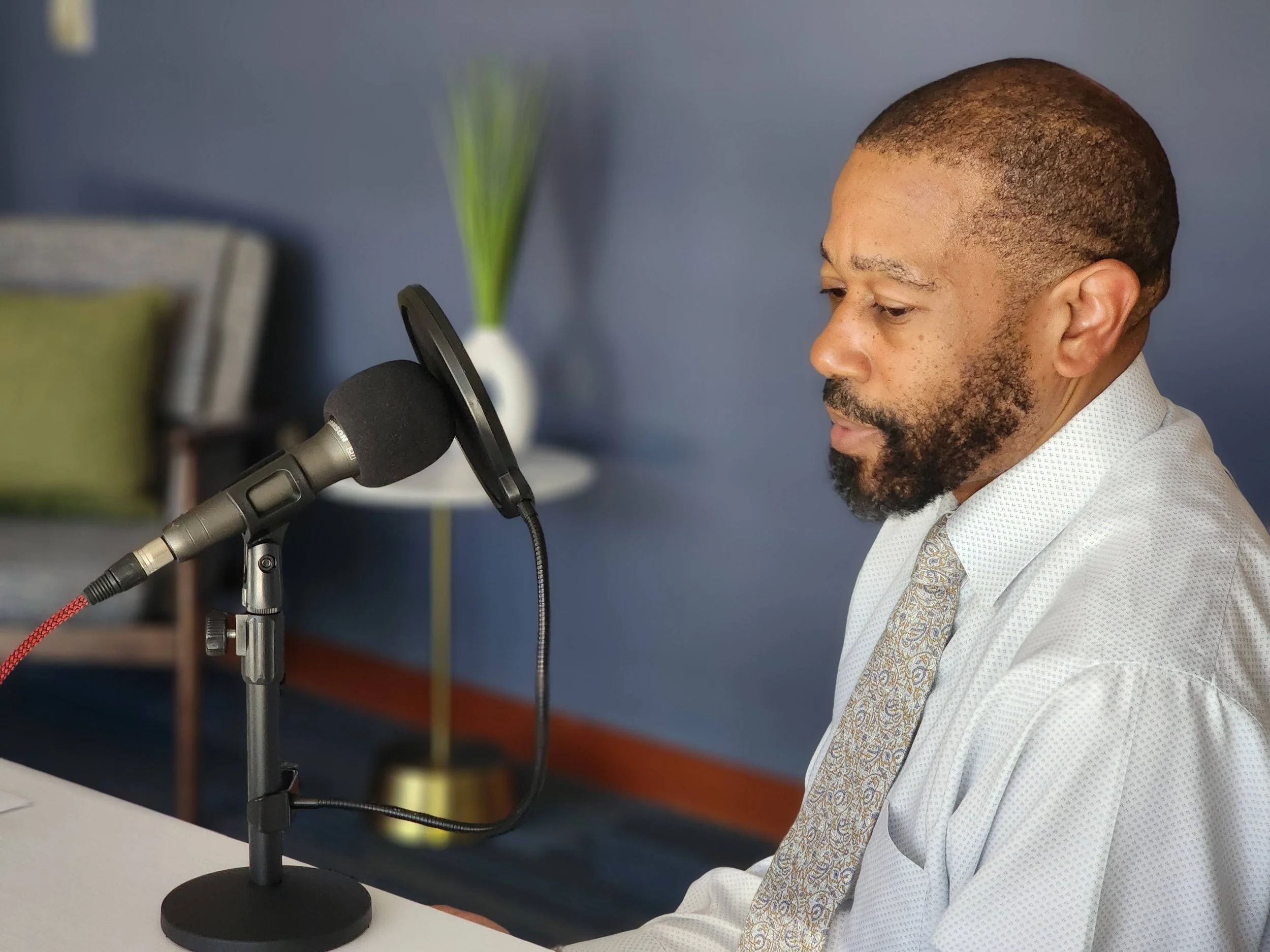
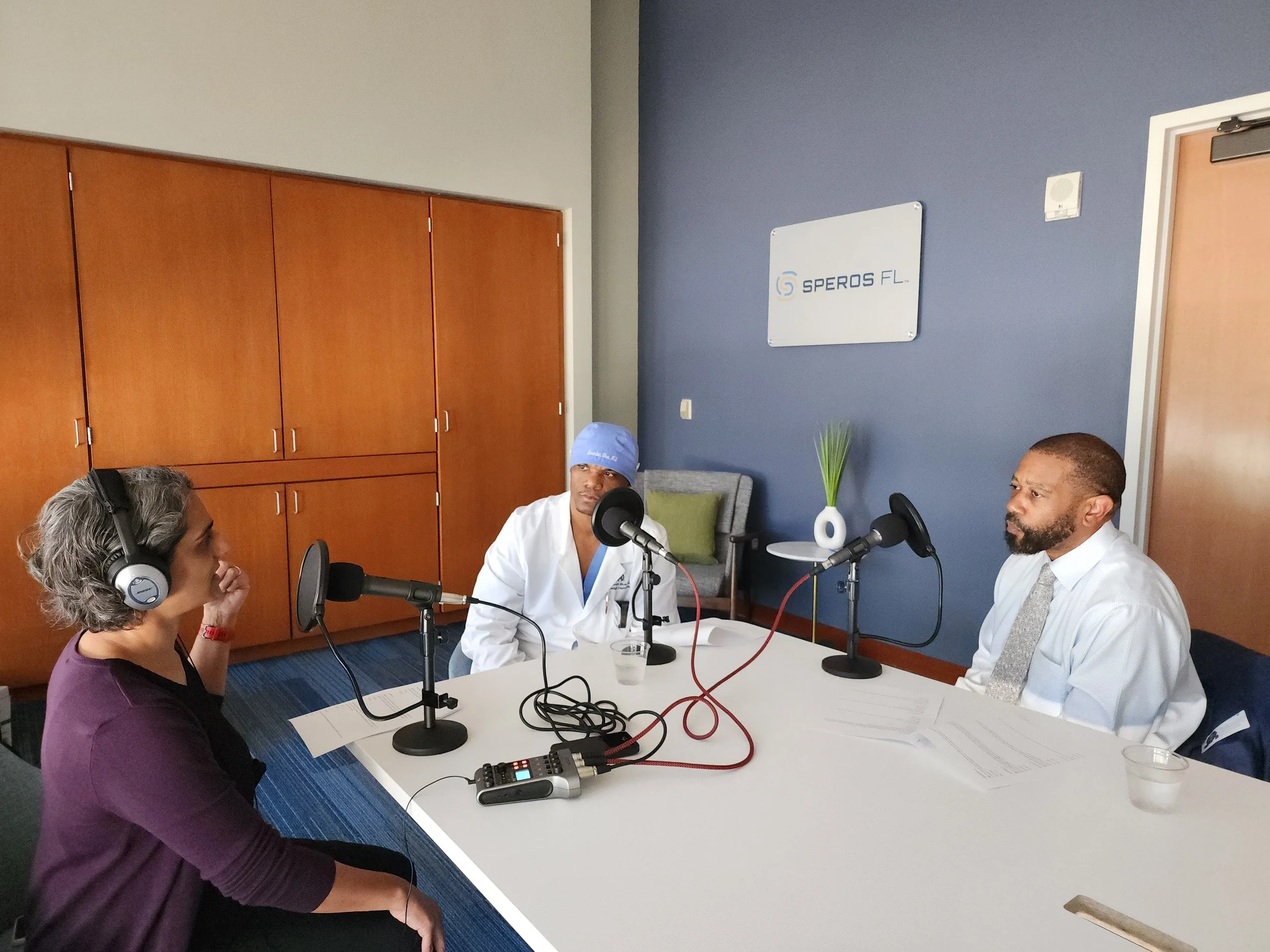
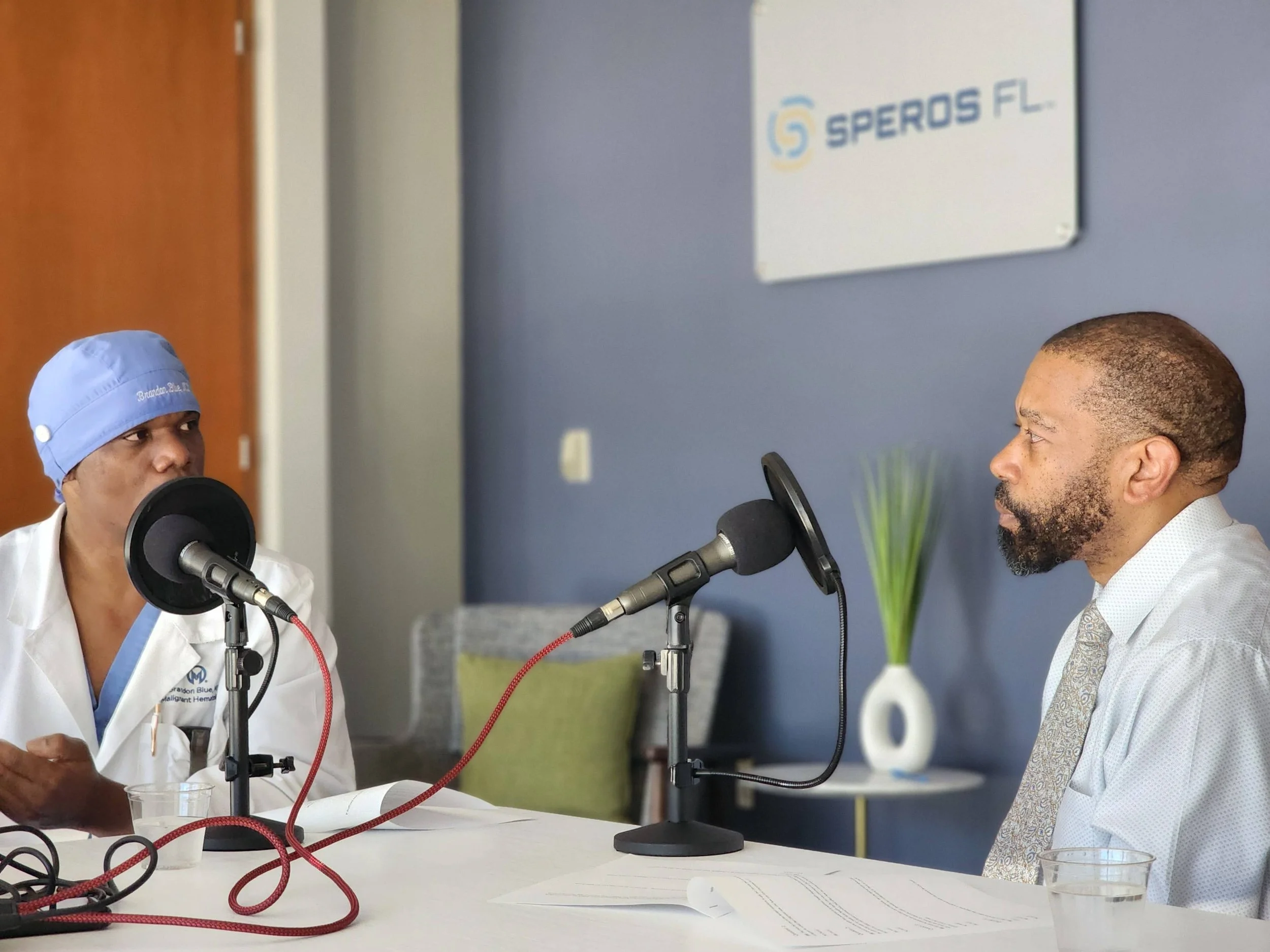
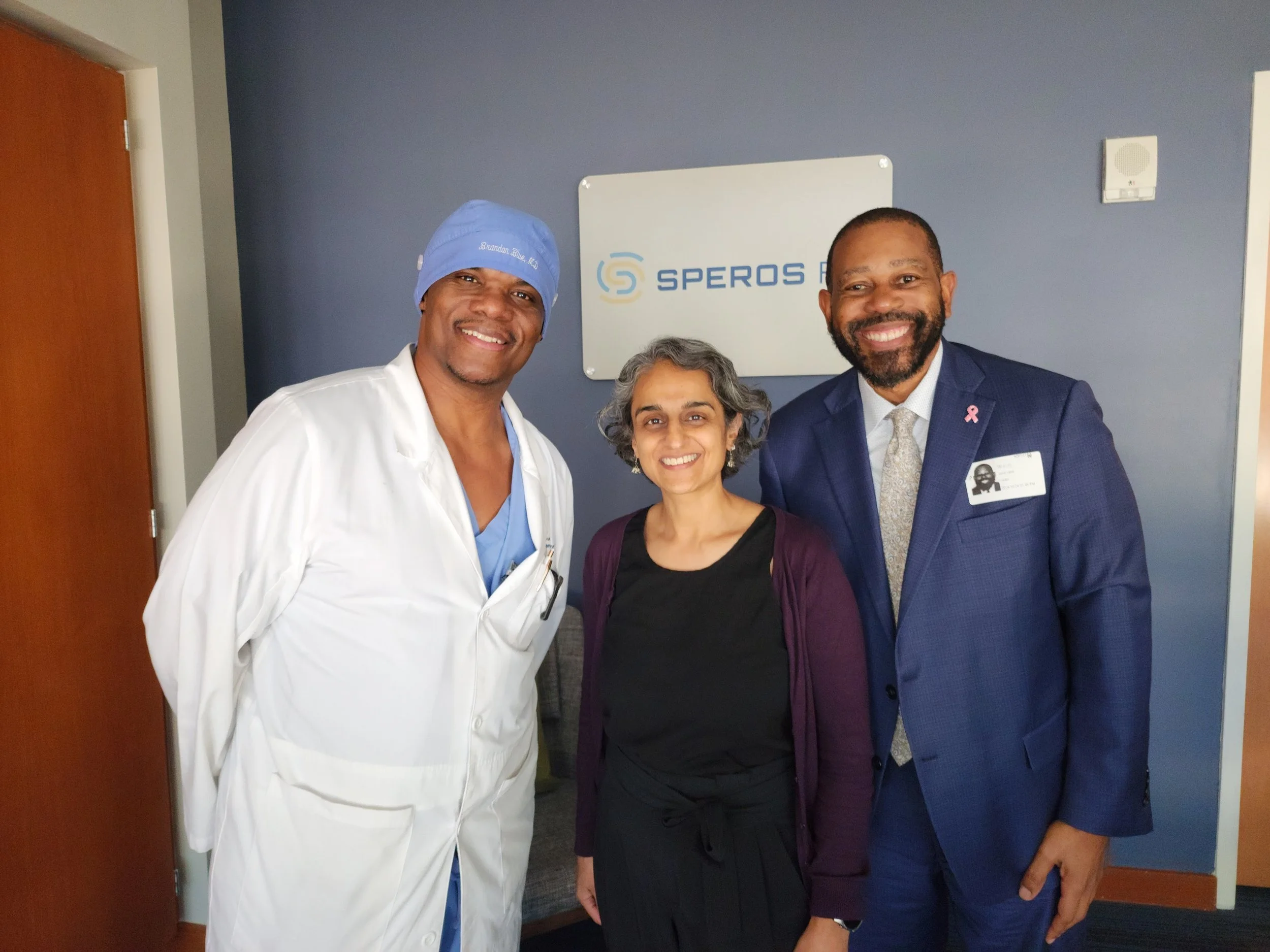
Learn more about our guests Mr. Travis Coy and Dr. Parmvir Bahia.
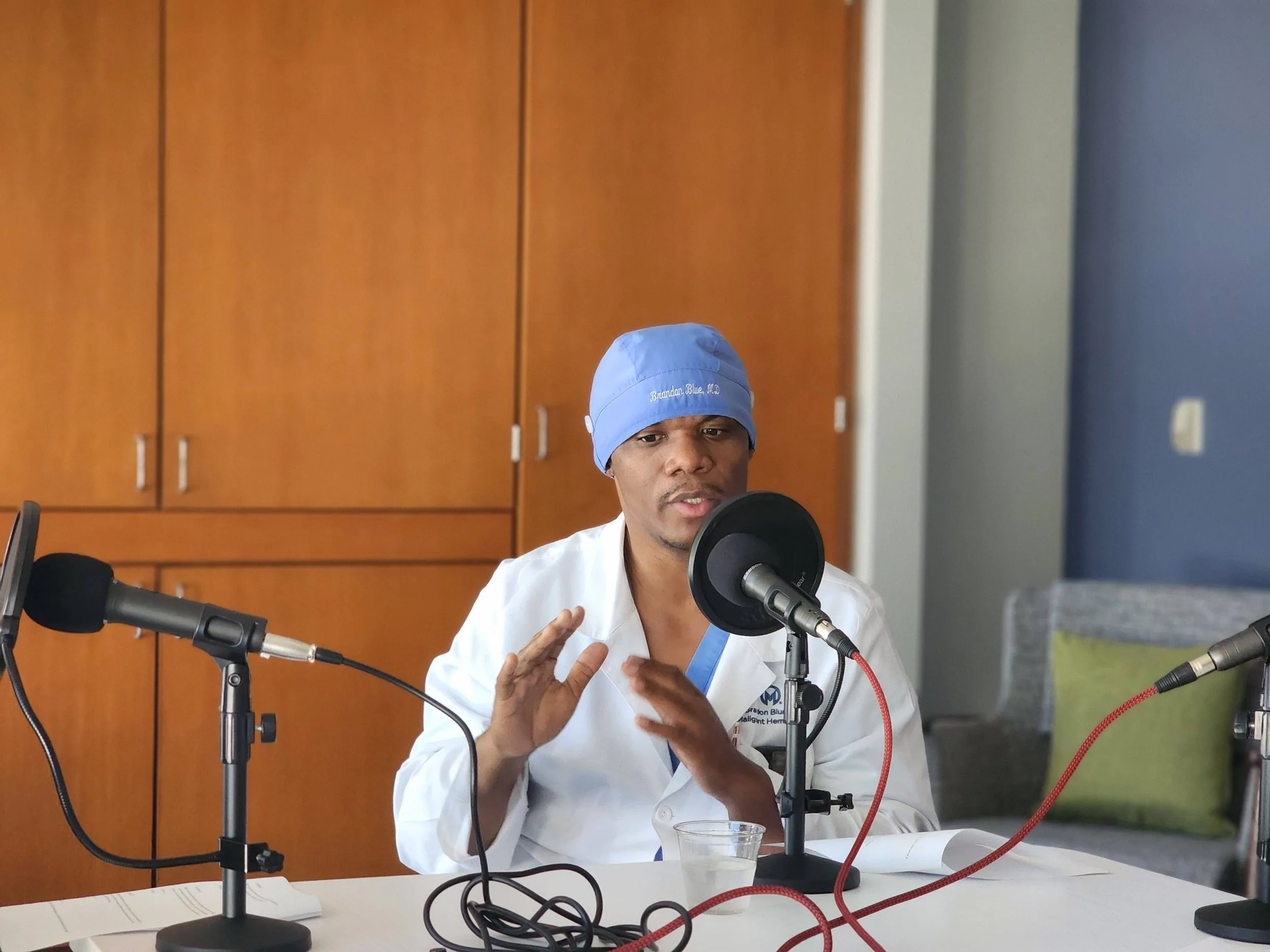
Learn more about our host Dr. Brandon Blue.
This is the first part of a conversation for the Cancer in our Community podcast, which is produced by: The Office of Community Outreach and Engagement at Moffitt Cancer Center and Artha Science Media.
The featured music is: Sunlight Cascading Through the Clouds — Artificial.Music [Audio Library Release] Music provided by Audio Library Plus Watch: https://www.youtube.com/watch?v=mtONh3v8-mw.
Listen:
Watch:
Subscribe to our YouTube channel now for all future recordings.
Episode transcript
[00:00:00] Parmvir: Hello everybody. This is Parmvir here, and I'd like to welcome you all back to the 2Scientists podcast because it feels like we've been away for an absolute age, and maybe that's true for some of our regular listeners too. But for any newbies out there, I'd like to start by saying thank you for joining us and offering a little history to the pod.
So in 2013, four friends were hanging out with their beer and pizza at one of their favorite joints, scheming on how to get other people to share in their love of science. The result has been more than a decade of fun conversations with some of the coolest scientists. Now, those founding nerds, Angela Rey, and Arturo Araujo have since moved on to better and cuter things in the form of their kids. But David and I have been doing our best to keep the 2Scientists name going.
There has been a hefty hiatus, we know, but today's episode goes some way to explaining why. So a few years ago, I had the Office of Community Outreach and Engagement at Moffitt Cancer Center reach out to me to recruit my podcasting skills and eventually a side gig became a career change, and now I find myself creating podcasts for a couple of different organizations.
In fact, today's episode actually comes from a series from Moffitt called Cancer in Our Community, which focuses on creating more equitable cancer care for all. And on this occasion, it features me not just as a podcast producer, but also as a guest.
Now, before we begin, I want to offer content warning since the conversation covers end of life care for terminally ill patients. So I'd like people to be warned of some potentially upsetting material. With that said, this is Cancer in our Community: The caregivers episode, part 1.
[Intro music]
[00:02:04] Brandon: Hello listeners, and welcome back to Cancer in our Community where we're having conversations about Black health equity.
I'm Dr. Brandon Blue, an oncologist in malignant hematology here at Moffitt Cancer Center and the host of our podcast. For our longtime listeners, you may realize that today's conversation is probably a little bit different than our usual format.
Typically, we have either researchers or doctors talk to us about different topics, but today is going to be a special edition. We'll be speaking with two folks who have the unfortunate experience of caring for loved ones diagnosed with cancer. I'll start with an introduction.
First we have Travis Coy: He's an assistant state attorney with the office of the State Attorney 13th Judicial Circuit, wherein he is the Juvenile Division Chief. Travis graduated from the Florida State University in Tallahassee, Florida. Go Seminoles. He graduated with honors and communication studies with a minor in sociology.
He has a number of accolades, including being the immediate past president of the George Edgecomb Bar Association and serving as a trustee for the Abe Brown Ministries Incorporated. Travis also is a minister at the Pentecostal Church of God and Jesus Christ Incorporated. Welcome, Travis.
[00:03:21] Travis: Thank you.
[00:03:23] Brandon: We also have Dr. Parmvir Bahia, who studied pharmacology as an undergraduate at Manchester University. Then for her PhD at University College London. She moved to Tampa to the University of South Florida where she continued to do neuroscience research until last year where she changed her career track to do science communication professionally.
For those who've been paying attention, you may know her as both the director and the producer of our podcast, Cancer in our Community. Thank you both for being here, Travis and Parmvir.
[00:03:54] Parmvir: Thank you Brandon.
[00:03:55] Travis: Glad to be here.
[00:03:56] Brandon: Now, I do know that this topic is going to be deep, and I do first of all, just want to say I appreciate you both talking to us about it, but I think it's important to really be open. Okay. I think this is probably going to be a difficult conversation, but I think that the listeners need honest opinions because some of them listening may be going through exactly what you two have gone through. So while it may be difficult, I do want everyone to just know that this is a open space, this is a free space, and our listeners really would appreciate some honest reflection on, on your time with your loved ones.
So I want to just start off by both of you trying to introduce the listeners and let them know what is your association with cancer? What is that link there? And, and exactly who was the person and exactly what that experience was like for you both.
Travis, we'll start with you.
[00:04:50] Travis: First and foremost, I want to say thank you for having me here. This is an extremely important discussion that I don't think that most people realize, and I didn't realize it until actually my wife was diagnosed. So my wife, her name was Theresa Jean-Pierre Coy.
Theresa was diagnosed with inflammatory breast cancer at the age of 37 Unfortunately she passed in April of 2022. In terms of dealing with this, at least initially, the first response was just one of shock, and just being numb, amongst other feelings of why her, why us? And just it not being fair.
[00:05:33] Parmvir: I'd like to start by saying how, sorry I'm for your loss, Travis, but in my case, it's my younger sister who's been diagnosed and she was also 36 or 37 in the first instance. And I think initially that it's the shock of realizing, firstly that young people can get cancer. The fact that despite being a biomedical scientist, I had very little understanding of what that meant. So for people who don't have a similar background, you know, I can only imagine how hard it is for them to begin to navigate that kind of horrible life event. And so initially when she got her primary diagnosis, meaning she was first told she had cancer, she went through the process of surgery, chemotherapy, and radiotherapy.
And this, by the way, all happened during the pandemic, while everybody was in lockdown. So that was an extra level of stress for us. But then about two years ago, unfortunately, she got diagnosed with a secondary breast cancer, meaning that in her case, the cancer had spread from the breast area to the liver and bones.
What that essentially means is that she now has incurable cancer, meaning she's going to be on medication for the rest of her life. And so, yeah, I mean, it's daunting, it's horrifying, and it feels very much like when you hear the news for the first time, it's like the oxygen goes out of the room and it's incredibly hard to process.
[00:06:58] Brandon: Now I want you both to think back, so Travis, for you, when you and your wife had your first husband wife talk, right? Meaning that not everybody else, but you and her talked about this diagnosis. Think back on that. And I would love for you to share with the people kind of what that conversation was like.
And Parmvir for you, you know, one of the closest people in the world, your sister, you guys had a sister-sister talk, you know, what did that sound like? And, I want the people to really just understand kind of what things go through, not only your mind to just say: Hey I love this person and they have this thing that I don't even really fully understand, you know?
And so I would, I would love you to know how that initial conversation went.
[00:07:46] Travis: Sure. So our initial discussions were, quite honestly one of fear. One of what do we do now? How do we maneuver through this? it was a lot of open-ended questions, and just a lot of doubt and worry and fear.
At the time that Theresa was diagnosed, we had just had our first child; Thaddeus. And so as you can imagine, there were a lot of discussions about, you know, how is life going to look now, the fact that she has this disease, this illness, but we also have, you know, the responsibilities of trying to raise a child now.
And so a lot of it was just what do we do now, and how do we move forward? And a lot of discussions were quite morbid in the sense of we normally would have talked about our future, but our future now is kind of like, well, what is it? What is our future now? Like, we knew that there were certain things, certain experiences that we wanted to have, but now it's kind of like, are we still going to be able to do those things?
And quite honestly, what is our timetable? Like, is this something that's going to be a situation that she's able to live with for the rest of her life? Or is this going to take her life? And so a lot of it was just very, very uncertain in terms of like, what do we go from here?
[00:09:14] Brandon: And Parmvir?
[00:09:14] Parmvir: Yeah. So I received the call from my sister who's based in the UK with the rest of my family while I was living here in Tampa. I think she'd said something beforehand about having pain in a certain part of her body. And then she'd sent me a message saying, yeah, this is not good news, and so I was already primed for the worst news. And so when she finally called up, I could tell that in the background, the rest of my family, she was trying to temper the situation for them to help them kind of process what she was going through while she herself is trying to process this news.
And so on my end, I was trying to be kind of very practical and pragmatic at least in the first case and as soon as we hung up, so my husband David is a researcher here at Moffitt, and between the two of us with our biomedical backgrounds, we started like searching as much as we could for all of the information that we could regarding prognosis, potential treatments, what the differences are between the US and the UK.
And so it took a while before I, myself kind of even allowed myself to think about what was happening. And so that kind of emotional breakdown came a week or so later. So yeah, it's, it's a lot. And as Travis says, like I think your immediate thoughts go to, okay, well what does this mean for the future?
What is the future?
[00:10:46] Brandon: And so, you know, this podcast is all about educating people, especially people in the black and brown community. Did you find any resources or any places to help answer some of those questions? If there was fear, uncertainty, what to do next? Could you guys talk to any places where you like, oh my gosh, this resource or this place was, was very helpful to educate us so we knew exactly either what to expect or what to do next.
Maybe it was the doctor, maybe it was an online site, maybe it was a support group. I don't know. But, but could you both speak to what was something that helped you get a little bit more information? Travis?
[00:11:25] Travis: I was going to say my wife was, was a straight shooter, almost to a certain extent,
I feel like too much of a straight shooter. Once we kind of got to a point where we were able to kind of like deal with it, I guess in a more clear state of mind. It was just she wanted to know straightforward, whether or not she was going to die soon.
She wanted to know exactly what were the steps she needed to take in terms of getting treated and we were blessed in terms of her oncologist and the medical team here at Moffitt. Everything was clear in terms of, okay, here's how we're going to basically attack the disease and here's the timeframe.
And, and even so much as to say, I know it wasn't a promise, but in terms of where we were at, at that particular point in time, like, this is not the end all be all for you at this particular point and that was such a burden that was lifted because it wasn't a situation where initially we thought it was going to be doom and gloom, but more of like, okay, there's, there's a fighting chance here. There's hope. And so that, I would say, lifted up our spirits. And then from there, we also did our own independent research with going online and just, just having a better understanding. The fact that we were both under the same impression, cancer was cancer. Like there's different parts of cancer based upon, your body organs, stuff of that nature, but didn't realize like there's different stages, different levels of breast cancer in and of itself. And so by us educating ourself, that put a lot of our concern kind of at ease as well.
[00:12:57] Parmvir: Yeah, so in our case, I guess my husband David and I have very much a head start on like the basics of understanding what it meant for the diagnosis. And, I have to say, obviously that that was not reassuring for me as somebody who can appreciate what it meant in terms of metastatic disease.
But, we went straight to the scientific literature, to see what the current state is. My husband also reached out to several colleagues here at Moffitt with whom he has connections in terms of his collaborations. So there are various physicians, and other researchers who would have kind of the best knowledge of where the research stands right now.
But I also, I mean, we joke about this within science, like you don't know everything. And so even researchers who are experts in a field will go back to Wikipedia first, right? You will go to some of the most basic sources to do that. And so I also looked up a lot of the pages dedicated to nonprofits run for breast cancer, either information sharing or research, within the UK. So I had a better picture of exactly what the landscape was like there.
[00:14:05] Brandon: Yeah.
Travis, I think it's important for listeners to hear your response. Now, you used the word blessed, and as I introduced you, I introduced you as a minister. How did faith come into play when you and your wife kind of got hit with this?
Because you guys were, as you said, living your life, just had a new baby boy. And now you get hit with this. Like, can you talk to how faith played a, role in what are kind of what you guys felt and what happened?
[00:14:34] Travis: Oh no, absolutely. Even now, my faith is carrying me through her loss.
But I would say without having that faith, I think really with respect to kind of both of us, my wife took the standpoint that, and I know it was through faith that, cancer was not going to define her. That this was, this was a part of her, but it wasn't her. And I know that that was through her faith.
So my wife lived her life to the fullest to the point where I was, even though I lived with her day to day, I still couldn't fathom, the fact that here she is, she has this news about having such a, such a horrible disease. And then we go through a period where it's in somewhat of remission and in 2019 it comes back and it has metastasized, which I didn't even know what that was until, so all this is all still brand new to us, but I would say her faith allowed her to live the best life that she could despite her, her circumstances.
We are very close knit with our church that we attend to. So we had constant people that would, would be praying for us that would check up on us. And I think we just got really closer to God in that respect. When things just didn't make any sense. We were just more driven to him and we were kinda at peace.
[00:15:58] Brandon: Did you ever find yourself angry and questioning and saying, wait, I'm one of the ones that follow God. You know, I'm practicing what I preach. Right. But this is happening to me. Did you ever, did that come across, or did you feel like that wasn't an issue?
[00:16:17] Travis: To be honest with you, I would be lying if I said that didn't come across. In fact, it still comes across even now. Do I have moments where I question what's the purpose, what's the reasoning in all this? Especially considering the fact that we had six miscarriages prior to having our son Thaddeus.
And so, you know, that kind of was like the real tough struggle of dealing with the fact that, okay, here we are. We have been trying and trying and trying to have a child and we finally have a child, but now she's diagnosed with this horrible disease. And it's kind of like, well, what's the sense of fairness in that? Like, what good can come out of this? And I still struggle with that even now. I don't know the reasoning, I don't know the purpose, but what I do believe is the fact that, there is some good that will come out of this.
Maybe me doing this podcast is good coming out of that someone who is dealing with the same, similar situation and they don't know exactly how to handle it. But, I will say this, is that you know, God has a purpose. He has a plan. Sometimes we don't understand it but there's no other better alternative to be quite frank with you. And so even doing this is very difficult to do. But I feel like maybe that's part of the reason why is for me to help out other people in similar situations.
[00:17:40] Brandon: Yeah. You know, I think it's important for people to hear about cancer and detections and screenings and some of those things, but also to hear about, well, what do you do when my loved one's diagnosed?
Like, because that's not around most places. So I would love for you kind of both to talk about what kind of ways you felt like my loved one needed me there, you know what I mean? Or something that you felt like, hey, this was a role as a caregiver, as a loved one, where I felt like, hey, this is something that my loved one really needed.
[00:18:13] Parmvir: I guess we know the expression it takes a village and, you know, we associate that quite often with raising children. But I think when you live in a particular community and being of South Asian descent, like our family is big and it's close, right? And there is this network of people who generally want to help out.
So my family in India there were four generations living under a single roof in some cases. And, my sister also lives with my parents, and so we already have a network of people who can help her. I guess a lot of people who are close to somebody with cancer will realize one of the major side effects of the treatments is fatigue.
And we're not talking about, oh, just feeling a bit tired. No, no. It's like it knocks them out. They cannot do anything. And so between my parents and I and my other sister who also lives in London, I think one of the things that I can do is just be there for her when she needs somebody to pick up the kids.
Or maybe, even if it's not making food, ordering in food, like just these simple day-to-day things, that are made easier just by another human being around.
[00:19:22] Brandon: And what about you, Travis?
[00:19:24] Travis: I was the same with respect to the fact that we really didn't know the gravity in terms of how severe of an impact that it would have on her body.
And so, like, the simplest task would be almost like she was trying to jump over a mountain. So something as simple as helping her put on lotion or helping her put her shoes on, it was upsetting, but also it allowed for me to show her that I was there for her.
And she needed that help because in our household, it was primarily three of us, myself, her, and our young child. So doing something as simple as that. And then the other part of it is just, in those, what I call 'em, those quiet moments where it is just like us.
And just listening to her talk, and for me, the talk you know about this is what I'm feeling like, and just being there for one another without any type of judgment. And just really respecting where we are with how we're maneuvering through all this.
[00:20:28] Brandon: You know, I think that people sometimes forget that there's still these other things that need to happen because the cancer, is such a big part of everyone's life that's like, oh my God, where did this come from? But as you said, the kids still need to get picked up from school, like the groceries still, you know, the basic things still need to happen and, you know, having some support, I'm sure meant the world to them, you know what I mean? Because a lot of people unfortunately just don't have that.
But I think that something is a little bit unclear, and I would love for you guys to talk about this. When you have your one-on-one sister to sister conversation, and when you would talk husband and wife, do you guys even talk about the cancer, really?
Or was it like, you know what, let's not talk about that. Is the cancer so much when it was going through that it was like, Hey, let's, let's talk about the news or you know, I don't know, favorite show or was it like, no, we, we need to have these conversations? Or did you feel like they preferred you to say, you know what, everybody else on the outside is talking about that, but you as one of my closest loved one, let's just talk about nature.
I don't know, you know, but something else, you know, so I would love to kind of hear that experience, what they would prefer that kind of conversation to be about just day to day.
[00:21:40] Parmvir: I mean, I don't know if there's a preference necessarily, but I think just naturally in the course of [sighs] one of the weird things is it just becomes so normal.
[00:21:52] Travis: Mm-hmm.
[00:21:52] Parmvir: After a while, like you're living with this thing for such a long period of time if things are going well enough that you can spend more time with that person, that you end up talking about: oh God, I have to do the laundry again.
You know, and it's not necessarily something you are either choosing to talk about or to avoid, but it becomes a natural part of as you're saying, it becomes a natural part of day-to-day conversation as much as you would talk about the news or, you know, your vacation that you're looking forward to.
And so with treatments and so on, like we would talk about, if I wasn't able to attend the appointment with her, you know, what the oncologist said, like, what's going on with her side effects and these kinds of things.
[00:22:34] Brandon: Yeah. What about you, Travis?
[00:22:35] Travis: My wife was a fighter. And so that was kind of the driving force with her. It was just, I'm going to maintain this fighter mentality. And I'll never forget it wasn't too long after she was, she was diagnosed and she was going through chemo and obviously we know the effects of chemo, one of those being the losing of, of the hair. And we were eating, not everyone had knew at, at that particular point in terms of like our colleagues.
It was just kind of a small inner circle that kind of knew she was diagnosed with cancer, but we were eating out at a restaurant and she said to me, you know what? I want to put it out on social media.
[00:23:15] Brandon: Mm-hmm.
[00:23:15] Travis: That, you know, I have cancer. And I'm a very reserved type of guy. I feel like something like that is private and you keep it basically within very small circle.
And I looked at her and the first thing that came to mind was, are you serious?
[00:23:37] Brandon: Girl you crazy!
[00:23:38] Travis: Right. Exactly. Exactly. And then the other part was, I can't stop her. She's going to do this, and I know where it's coming from. She wants people to know that cancer affects us all and she just wants people to be educated about it.
And so, you know, I said, I think you should do it. And sure enough she put it out there and it was so much outpouring of love and support and like, looking back, in hindsight, you know, I'm glad I was there to support her in that decision because it made it so much easier for us to kind of like, okay, here it is, it's out there.
But now that it's out there let's continue to live our normal lives at this particular point. So because of her, like we just completely embraced it. It was a situation where 'cause we shared calendars it was one of those situations where my calendar had all the different visits and treatments and everything that she needed to take care of.
And it was just like, oh, okay, well we can't do this or I can't do this at this particular time because she's got this going on. And so it kind of became part of our daily routine. And you know, it's one of those situations where, you know, on the outside looking in people would be like, man, you guys really have morbid conversations.
But those conversations to us were not morbid conversations. They were just part of our, our daily lives in terms of, you know, God forbid if this happens to you, X, Y, and Z. And so it was one of those things where we just as crazy as it may sound, we actually normalized the disease.
Again, you know, her whole idea was like, this cancer does not define me, but it's just another thing that I have to like, basically kind of like deal with and I'm going to deal with it the best way I can.
[00:25:30] Brandon: Yeah. Now you brought up something really good Travis, and I want you both to kind of speak on this because, you guys both talk about children being involved and I think it's important for people to know what you guys chose to do, either why or why not. Did you know, I know you had a small child, but you know, when he became an older, did he know mom had cancer? Like, is that even something that come up? Or maybe you say, Hey, you know what, I choose not to tell him what happened. And then the same for you, like your sister, And was there ever any thought to maybe, maybe let's not tell everybody, you know, like, so I want to talk about how those decisions are made. You know, you guys are close, loved ones, so of course you guys are going to be in that inner circle.
But as the decision was made to kind of say more to others, especially the kids, how did those decisions come about? So Travis, I'll start with you.
[00:26:23] Travis: Wow. Okay. So now we're really getting into the tough part. So for us it was, almost kind of broken down in kind of like segments.
The first segment was acknowledging the fact that mommy will have some good days, she will have some bad days because mommy is sick. And that's kind of how we, pretty much like kept it . And so that was kind of the first segment. Mommy will have some good days, some bad days, and that's because, you know, mommy is dealing with the illness, she's sick.
We didn't put any labels, we didn't put any titles on it. Because he was so young and didn't want to fully expose him to, you know, how dreadful cancer is and we didn't want him to worry or to be upset. And then the other part of the segment changed into where now she has passed and now he's a little bit older and his understanding has, has increased.
So now it's more of a situation where explaining to him, okay, mommy suffered from this. And I'll never forget, we actually had a very candid conversation, Thaddeus, and myself, I believe it was actually like last year, 'cause at one point he made the comment that he thought that cancer was basically manmade and that he would basically, how can I put this? He would beat up the guy or, or the person that basically made cancer. And so I had to sit there and I'm like, okay, there's, there's gaps of information that need to be instilled in him. And so then it allowed me a chance, an opportunity to kind of explain to him as simple as I could, like what cancer is, and explain to him like, no, cancer is not what you think it is, it is actually this.
And so it just allowed for an opportunity to, and I didn't really even realize it at the time, but even that young explaining to young people about what cancer really is and what it's not.
[00:28:20] Brandon: Yeah.
[00:28:21] Parmvir: I have to say, my sister sounds so much like your wife, Travis. So she too hates the idea of being defined by her cancer, and she doesn't shy away from telling anyone about her disease, even when it probably makes people uncomfortable, because it's the kind of thing that is at odds with our culture because people don't talk about these things.
They're often considered private or shameful. But my sister went as far as creating a whole Instagram account dedicated to the good, the bad, and the really ugly of her stage four disease. So she also uses that to discuss all the intersections with her family and how it ties in with Indian peoples' thoughts and beliefs.
But when it comes to the kids specifically, from my point of view, if they ever have questions, I'll certainly answer them. And my sister does often hand over things as the biologist in the family to kind of communicate things in a way that's a bit more factual and less emotional, because I think it's some way of having a conversation that becomes hopefully less overwhelming. But her kids were a little bit older when she got her secondary diagnosis. So, when she had the primary cancer, there was a way of saying that, you know, mum's going to come through this. And with the second one, it's obviously like this is going to be a lot more difficult to navigate.
And so she's having to have more difficult conversations now 'cause her daughter's 10, her son's seven. And so they're obviously at an age where they understand, okay, not just that mum's sick, mom has cancer, but what that cancer means. But I think it was only very reuently my sister was flippantly talking to my other sister about something she'd said, she was talking about, I don't know, not necessarily looking like she was dying. And my niece overheard and so at some point she had to take her to one side and she said "mum, are you dying?" And that was, I mean, obviously that's one of the most heartbreaking things I had to hear from her.
The fact that she had to explain this, but I think for her, she's now starting to explain that life is a series of experiences and we have to enjoy it as much as we can together for whatever we have together. And, you know, even after people die and everybody dies, that we can still look back on that life we had with someone.
We don't need to forget them. We'll always remember them, but I honestly don't know where she gets the strength to have those conversations. It's brutal.
[00:30:57] Brandon: Well, you being the family biologist, you know, being the family scientist, you know, you may know about some of the side effects of the medicines, you know, especially with your pharmacology background, but like what types of things helped you support her? You know, so for example, was it taking notes during the doctor's appointment, or what types of things helped with, you know, the brain fog or the fatigue or some of those problems that are inevitable that happen with cancer treatment? What were some of the things that you thought say, Hey, I'm going to do this because this is something that we know will help?
[00:31:36] Parmvir: Yeah. So as I said regardless of whether I was there or not we would take audio recordings, of every conversation just so she had notes, because some of this was directly related to her care, right? So the oncologist would explain something and she'd have to remember to do that thing outside of the doctor's office.
[00:31:56] Brandon: Got it.
[00:31:56] Parmvir: And then other things were just for her to try and process because, you know, like, most scientists, healthcare professionals, they don't necessarily always explain things, I'm sure they all do their level best to do it in a way that is going to be accessible to the person listening. But in case there was anything in terms of the language that I could go back and explain later, yeah, those were some of the simple things that we did to, to help her kind of cope with just like the absolute avalanche of information she had to deal with.
[00:32:27] Brandon: Yeah. I just know it can be so much. Right. You know, and so the word that we use in healthcare for people who have loved ones with cancer is called caregiver.
Right. But my question to you both is kind of who helps the caregiver, right? Like, especially, you know, Travis, one of the things you mentioned, especially at the very beginning, you said your circle was small. A lot of people may not even have known that your wife had this disease. So that means that probably meant most of the issues or the problems, you had to kind of shoulder those. And because the circle was small, can you talk about what happened? Or maybe there was that time when you were like, oh, I'm tired. Who helped you at times where, you know, 'cause again, as we talked about, the bills still had to get paid, right? So you still had to work. So what happened during those times? Can you talk to that?
[00:33:14] Travis: Oh, sure. So going back to what you were saying earlier about being tired, yeah, there was a lot of times of being tired with juggling being a caretaker for my wife and then also just being a parent. And I would say the biggest help for me, it was honestly just having a listening ear. And don't get me wrong.
[00:33:36] Travis: People coming to help us in terms of like maybe providing food or assisting us with Thaddeus, those were huge. But for me, I didn't realize how emotionally draining the disease would have on like, on you.
And it's weird because there were a lot of times at least initially in the beginning of where I felt almost bad or embarrassed to kind of tell how I felt because I'm not the one that's dealing with the cancer, I'm not the one that is struggling to do, like, just regular things. You know, I'm not the one that's going to the hospital. And so there was kind of like this, almost like this kind of like guilt that, that came inside.
And there were situations where I feel bad. Like I can't talk to the person that's, you know, going through this. And so I had to kind of come to a point where it actually was more beneficial that I just expressed to my wife how I felt, but then also to express to other people as well. And so to me just having that listening ear, trust me on the outside looking in, there's no magical word. There's no wand that can change what happened. But just the fact that you got an outlet, someone that's just there, someone that's not going to judge, someone that's not going to be looking at their watch playing around with their phone, but someone that was just genuinely there.
And just in that moment of like silence as you're talking. So just that undivided attention honestly was one of the biggest things that helped out.
[00:35:10] Brandon: Yeah. What about you?
[00:35:12] Parmvir: Yeah, so, I think when I first started, at some point I just tweeted my sister's circumstances and I had a lot of people reach out. These are people I know well, but they just happen to be following me on Twitter. And a lot of people mentioned things like therapy from being in similar circumstances, but much like Travis, I don't like talking to people I don't know. And I just, I'm conservative in some ways about things like that.
And so my outlet is my husband David. And again, you know, it's so helpful to have someone there who is just, you don't need to give them a background to the situation. You can just launch into whatever it is. I can use whatever expletives I want to, which I am prone to do. But yeah, he is the one person who I just feel like, as you say, there's no judgment, I can say whatever I like, however I like and whenever I need to. And I know he'll either say nothing at all, which is what I need, or he'll say the right thing.
[00:36:13] Brandon: But what about some of the people who may be going through a very similar situation? What would you say would be some information to potentially help them not feel burnt out or maybe feel like, the word that we use in in healthcare is called caregiver fatigue.
Meaning that like they just they don't wanna stop because they love that person, but it's a lot for them. Would it be scheduling a day off? Would it be go break something, you know what I mean? That one of those, you know, kind of places like going to the beach. Like what would be something we could tell people who may be going through this to say, I don't want you to burn out. I don't want you to feel that type of thing. So this, whatever it may be, may help them.
[00:36:53] Travis: Absolutely. I think it's a couple of steps, kind what I said before and I didn't realize how, just how much of a weight, how much of a burden had got off my shoulders.
How can I tell her this is how I feel. I don't expect her to like, I mean, there's no way that she can, like if she's having a bad day, she's having a bad day. There's no way she can like magically, oh, okay, I'm doing much better. So I don't expect that. So I think for me it was just a situation of, Hey hun, this is how I feel. I'm tired, I'm exhausted. I know you can't do certain things, but this is just how I feel.
Once I kind of got to that point of just being raw and just open, our relationship increased the better in terms of like how to deal with this disease. And I think we both appreciated the fact that now we're even more open than before. So I would say that was the biggest step in terms of the burnout and fatigue is just saying it out loud to your significant other 'cause that helped so much, that lifted so much weight.
And I think the other part too is just the fact that I think you need to find something that's going to allow you to release the anger, the frustration, whatever the case may be.
And so for me, and I started working out more, I started going to the local Y and didn't realize like, I hate working out, but I love working out because it's one of those situations where it's just like, that was kind of my refuge, like my mind was now off of what was going on at home and now it's focused on Travis.
You need to really focus on lifting these weights 'cause if not, you're going to hurt yourself. So it was just like, it became more of that. And also too realizing that, oh, okay, when I work out, I'm losing weight, I'm getting more energy, I'm starting to feel better. And it worked out in that particular instance because although it might have been just like 40 minutes and an hour, that allowed me to escape and I didn't realize how short that period of time really kind of like rejuvenated me.
And it was, the other aspect of it was it was such a short period, enough time that it was okay for Theresa to be there when it was just her and like Thaddeus. And then the other, the other part was catching a movie like by myself, like just the whole, here I am, it's quiet, except obviously for what's being played.
But I'm sitting here, I'm not thinking about this. I'm not thinking about that. My mind can focus on the movie and enjoying my popcorn and my soda, like just, just a couple hours. So I would, I would say make sure you do something, whatever it is. You may think it's small, but that smallness really helps and those small things kind of like add up over time where you're like, okay, it's not as bad as it was.
I don't feel as burnt out. I don't feel as fatigued.
[00:39:43] Parmvir: Yeah, I mean, I think Travis has said it in a nutshell, so, it's self-care. And it was the same for me. So after my sister first got her diagnosis, I realized that I was so stressed out all the time, like my sleep just went to hell. I was waking up with horrible dreams in the middle of the night, or I would just wake up at two or three in the morning for no reason, then not be able to go back.
And this was while I was still living in Tampa before I moved to the UK to be closer to her. Since I've moved back, like I live very close to them and I agree, you need to carve out that time for yourself to say, okay, I'm going to take care of my body because if I'm useless, I can't take care of somebody else.
And so it is the same thing, I got very much into kind of lifting weights this year. That's fun. And yeah, just also taking time out to make sure that I try and have a decent sleep routine so I can get to bed at a good time. And be well rested, be in a position where I can help.
[00:40:44] Brandon: Is there something, now that you're in this situation of helping your sister and you know, you, when you helped your wife that you wish you knew beforehand?
Like, you know, is there something where you were like, Hey, if someone would've told me this, that would've made this hurdle or this area a little bit easier?
[00:41:07] Parmvir: It is tough. It's tough because I think a lot of it, you don't realize until you're in the situation that's going to happen. But I think for me, one of the biggest things to overcome was the, the shock that, oh yeah, this, like, we never see in ad campaigns and movies, black and brown women portrayed as having cancer.
Right. It's, it's generally this stereotypical white lady. And for me, it was so bizarre in my mind that, wait, hang on a minute. You mean like Indian people get cancer too? I mean, of course they do. My rational brain knows that. But I think that was, that was something that was quite difficult to overcome. So that, that felt very surreal.
Having said that, I mean, if I'd seen more campaigns, I don't know, I would've been any more prepared for this, but that might have been something. I don't know. I think just generally, you know, this whole conversation is about caregivers. And I think in my mind at some point I thought of a caregiver as being somebody who was giving end of life care, and that you, you are dealing with somebody who's in a bed, but there's so much more to this experience and it begins in a lot of cases, so much sooner than that. There's so many more facets to what caregiving involves than I think what a stereotype might portray.
[00:42:33] Brandon: What about you, Travis? Anything that you said, man, I wish I would've known as being someone who was a caregiver.
[00:42:39] Travis: Yeah. Your last point is exactly what I wish I would've known. I'll never forget, Theresa was having a conversation with someone on the phone and she said, Travis is my caregiver. And it kind of like threw me off because I was just like, I'm, I'm your caregiver. Like what? And so then that prompted me to have a better, I guess actually a broader understanding of the term caregiver, because I thought caregiver was kind of one of those individual like in a hospice type situation, basically like the, the end of life. And not realizing like, you know, just taking the word itself, like going backwards. A caregiver is a person that gives care.
I'm like, oh, I guess I am giving care, was something as minute as, you know, maybe helping her put groceries away, or helping her try to get out of bed. So it's more of like the role of a caregiver is much broader than what I think society has painted, or basically has taught us. And I think the other part of that is realizing that there are situations where there are legitimately good days where it's one of those where we're, you know, we're bouncing around. We have, we're full of energy and how quickly that can change in a matter of hours. In a matter of days to where it's a struggle to like, even get up off the couch. So it's kind of understanding like, wait, wait a second, you were just fine not too long ago. But now it's just like, it's a complete opposite.
And how much of an impact that that plays on the mind of the caregiver. Like, wait a second. This doesn't all make sense. So I would say those two things. One, just a broader understanding of what a caregiver is and what he or she does. But also understanding too as the person that is suffering from cancer, understanding that a person suffering from cancer, the way they're reacting to the treatment, to the disease, it's so fluid.
[00:44:41] Brandon: Yeah. So, you know, Parmvir I know your sister is over in the UK so I'm going to direct this question to Travis, but I just want to know, were there any resources that you found here at Moffitt that particularly helped you guys, whether it be our chemotherapy education class, or whether it be some support group or whether it be, you know, the shops that we have to help people with wigs, you know what I mean?
Was there any resources that you guys thought were particularly helpful during your journey?
[00:45:07] Travis: I would say with respect to the immediate resources, I would say honestly would be her oncologist and her team in terms of, I never walked away thinking that this was just kind of like business as usual. When there were things that needed to be explained they were explained in very simple like terms, if there were follow-up questions that needed to be answered, they were answered.
So I would say in terms of immediate resources, I would say that. And I'll never forget, I didn't realize we had developed such a relationship. Her oncologist would always ask if, if I happen to miss like an appointment, where's Mr. Coy? And I'm like, okay. I'm like, seems like he's more excited to see me than he is you.
And then allowing those times where I couldn't, but I could appear by phone allowing that to happen. So I could sit in. And so if there were questions that I just by myself, like, wait, doc, what did you say again? Or, I don't understand. Not brushing me aside, but making me kind of like an active participant in this.
So I would say that in of it, that in of itself was, was so huge.
[00:46:13] Brandon: Yeah. Yeah. So, you know, I know that these are tough conversations, you know what I mean? Like I and I and I want our listeners to know that there's help, there's people that have gone through this, you know, I haven't felt it myself, but this sometimes could be a lonely journey, right?
You know, you feel like, Hey, I'm going through this. Me and my loved one, I don't have any outlets. But, you know, I want the people who are listening to understand that there are other people who have gone through this and there is support, you know? I also want people to know that, as you mentioned, not all days are going to be bad days, right?
And so I would, I would love to hear what are some things that you look back on now when you say, alright. You know, me and my wife had joyful times doing this. Like, what, what did those things look like?
[00:46:59] Travis: Oh, wow.
So it was everything. So we enjoyed the weekends, in particular Friday night, we would go out to eat. We would go to the movies. We would take trips. And even just in those like quiet moments where we're like in bed, we would just talk about, you know, what's going on in the world. Politics, entertainment, just, just everything.
We continued, I would say just to live our lives. Like, okay, yeah, cancer, we see you, it's there. But we, it didn't stop us from living. Especially in her case. She at one point had went to Dubai with a girlfriend of hers. She continued to live her live and so I was one of those, I guess I was smart enough, like my wife was directing the show and so I followed, I can't live my life if she's living her life.
So I would say we did the same things like, like we normally did before she got the cancer diagnosis.
[00:47:53] Brandon: And what about you, Parmvir?
[00:47:54] Parmvir: Same like everything that we do together. She is, my sister is a very funny, very quirky, person, and she is very open and like she is maybe like the stereotypical youngest sibling in the house.
She is everybody's kind of like joy. She's the thing that brings us joy. And so same thing like going out to eat, going out on the vacations that we do managed to organize. And one of our guilty pleasures, specifically she and I, because we can watch TV together, is a show called Married at First Sight, which is terrible.
But it's, uh, it's something that gives us something to talk about and an opportunity to kind of laugh at other people's misfortunes.
[00:48:40] Brandon: Yeah. I haven't seen it, so I need to add it to my queue is what you're saying. Okay. That's good.
[00:48:43] Parmvir: Uh, yeah, I mean, if you want something very, very mindless just to pass the time, then yes.
[00:48:49] Brandon: Good. But, you know, I once again just wanna say I appreciate you both. I know these were very deep and personal conversations, you know, to have that you're sharing with the world. And I do think it's important because we know that cancer touches more than just the patient.
It touches the families, the lives of everyone, and again, the caregiver and the person who is a loved one feels this effect, you know? And so I do appreciate us having this kind of conversation today.
If you have any questions regarding anything that you heard about our previous episodes, you can reach out to the COE using the email address, coe-office@moffitt.org, and you can be sure to follow their social media in staying up to date. Until next time, everyone, I am Dr. Brandon Blue. I'm signing off Cancer in our Community.
Thank you.
[Outro music]
Parmvir: Thanks for listening to this guest episode featuring a conversation from the podcast, Cancer in our Community, co-produced by my company Artha Science Media, and the Office of Community Outreach and Engagement, also known as COE at Moffitt Cancer Center. The more astute among you may have recognized the host, Dr. Brandon Blue, from one of our episodes, the Science of Cancer and Care, and what can we say? The scientific community in Tampa is pretty tight knit. One day you're a podcast host, another, you're a guest.
I will be sharing links to Brandon's episode and the Cancer in our Community series in the show notes so you can learn more about the podcast and COE's work in the community. A reminder though, that 2Scientists is directed, edited, and hosted by me, Parmvir Bahia, and co-produced by David Basanta Gutierrez. And we look forward to getting the show kickstarted once again. So please like and subscribe on your favorite platform so you can stay up to date with all the good stuff we'll be releasing.